
We come to this place for magic. We come to the movie theater to buy exclusive popcorn buckets, to see a film before it gets spoiled online, to care.
I saw nine movies in theaters in August, with crowds of all sizes and ages. At a Friday night screening of Coyote vs. Acme, I sat in a packed theater that erupted in applause when the title card appeared on screen. (Of course, there was also applause as a sign of respect when Nicole Kidman appeared). After years of headlines about Warner Bros. shelving the finished film, simply getting to see it felt like an event, and the audience knew it.
At another screening, more than 160 members of the B-List Movie Club, which started in May 2026, showed up to celebrate the 10th anniversary of La La Land. Lionsgate provided free popcorn and collectible La La Land scarves to remember the night. People weren’t there to rewatch a movie they could easily watch at home. They were there to celebrate it together.
That’s increasingly what moviegoing looks like for younger audiences. It’s not simply about seeing a movie. It’s about having somewhere to go.
As summer wraps up with the 2026 box office setting a new all-time summer record, Gen Z is helping drive that success. According to Fandango’s 2026 Moviegoing Trends & Insights Study, 87% of Gen Z adults went to the movies at least once in 2025, compared with 76% of adults overall. Gen Z moviegoers cited more social gatherings as one of the top reasons they were going more often, and social media ranked as their number-one source for discovering movies.
In Los Angeles, going to the movies has become one of my default plans. And I’m not alone: 92% of Gen Z moviegoers say they prefer going to the movies with others, particularly friends. I have friends in my AMC Entourage who will book a movie without even asking me first. It goes on my calendar as a fun thing to do after work. With AMC A-List, the economics make it even easier. In an ironic twist, the subscription model that helped make staying home so appealing has made theatrical moviegoing a habit of its own. For the price of a streaming service or two, A-List turns going to the movies from an occasional splurge into an easy plan for the week. I’ve seen movies I probably would’ve never bought an individual ticket to see simply because I saw a review online, a trailer piqued my interest, or I just didn’t have anything else to do.
The theater also provides something increasingly rare: forced attention.
At home, I often find myself putting on a movie while simultaneously glued to a second screen, scrolling through TikTok or answering texts. At the theater, you hear "Don't talk, don't text, don't ruin the movie," and hopefully, your phone goes away. For the next two hours, you’re left with just one thing in front of you.
For a generation accustomed to consuming entertainment whenever and wherever we want it, that limitation can actually feel like a luxury.
And Hollywood has gotten increasingly good at turning moviegoing into an event.
Rereleases and anniversary screenings give audiences the chance to see their favorite films on a big screen and celebrate them with people who love them just as much. Influencer screenings and special Q&As with cast and creatives make opening weekend feel like something to participate in. Collectible popcorn buckets take on a life of their own on social media. A great trailer can turn a movie into an appointment months before anyone has seen it.
There’s a lesson here for those of us in publicity, too. Younger audiences don’t need to be convinced to care about movies, but we do need to give them something to care about. The campaigns reaching my generation best understand that marketing can be part of the experience of loving a movie. A fascinating behind-the-scenes detail, like the story behind the unscripted kiss between Penélope Cruz and Olivia Wilde in The Invite, can take on a life of its own online. So can bringing a movie into the real world, like the Odyssey Trojan Horse popping up on Venice Beach and at Universal CityWalk. The best campaigns give audiences something to discover, photograph, share and ultimately feel a part of.
We’re booking tickets for movies like Doomsday and Dune: Part Three months in advance and driving long distances to see Christopher Nolan's The Odyssey in 70 mm IMAX. We're complaining on X when buying a movie ticket starts to resemble fighting in the storied Ticketmaster wars. The frustration almost proves the point: people care enough about being there to fight for a seat.
There are rituals, too. The pre-show is now a guaranteed 30 minutes of ads and trailers, but frequent moviegoers know exactly when to stroll in. And depending on the crowd, Nicole Kidman can still earn applause from people who have seen it countless times before.
Heartbreak feels good in a place like this, after all.
Streaming and smartphones have long been scorned for shrinking attention spans and encouraging younger audiences to abandon movie theaters. But those same forces are a part of what’s making theaters attractive again.
Going to the movies gives us an excuse to get off the couch, stop doomscrolling and be present. And increasingly, the online world isn’t competing with that experience – it’s feeding it. The screens we were told would keep us home are giving us a reason to leave it.
In the City of Stars and beyond, moviegoing culture is alive, and the next generation is showing up.
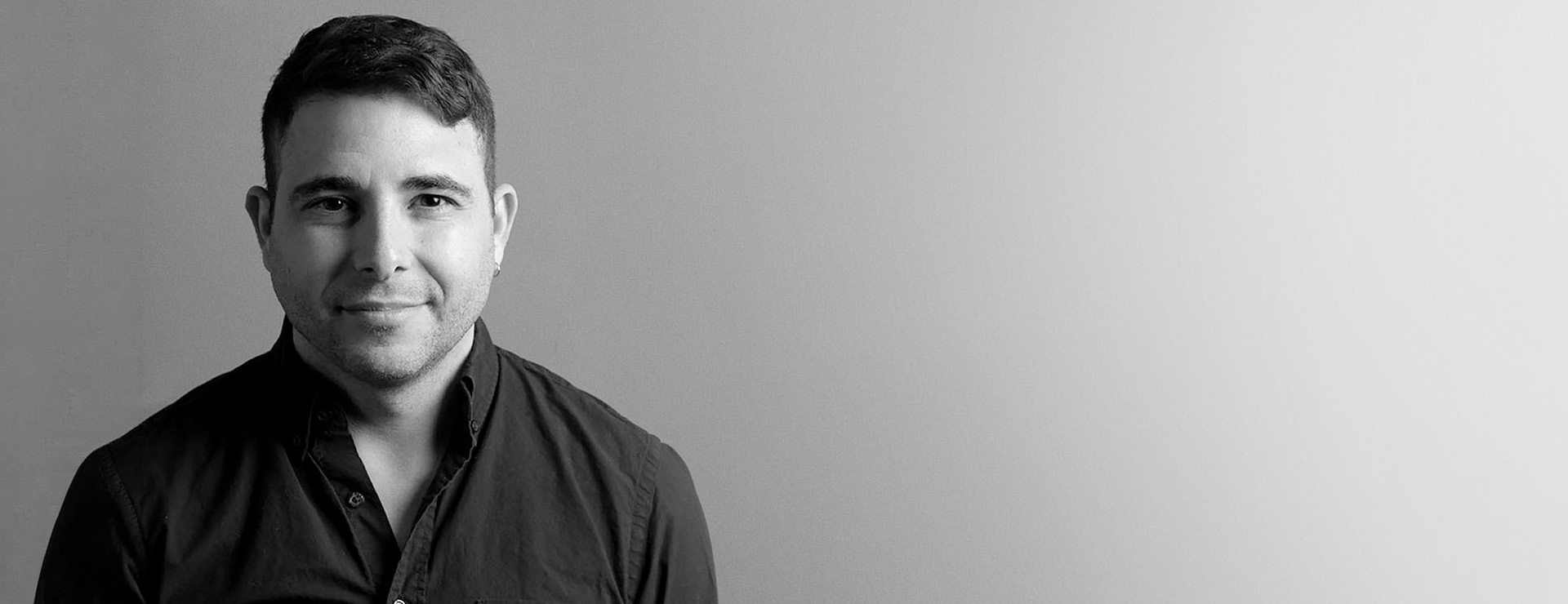
Jenny Tuell is an account executive at The Lippin Group, where she works on publicity campaigns across television, film, and events. A lifelong pop culture enthusiast, Jenny brings her passion for entertainment and storytelling to her work, with a focus on building strong media relationships and understanding how younger audiences discover and engage with entertainment through social media.