
It's a Friday night in June 1997. I’m 17 years old and my friends and I have seen everything playing in the movie theater in town (I still love Con Air and My Best Friend’s Wedding to this day). The next logical step: the video store.
We scour the new releases aisle, past a wall of 30 copies of Austin Powers: International Man of Mystery, and strike out. Last resort: the recommendations section.
That night, Mike the clerk had picked Big Night, the 1996 film with Tony Shalhoub and Stanley Tucci as brothers cooking one last meal at the restaurant they loved. The movie’s box cover offered laurels from Sundance, but that wasn’t the point. The point was that Mike had watched everything in the store, and Mike was reliable. He was right. Big Night is still a favorite of mine today, all because of a chance encounter with a trusted advisor at the counter.
Fast forward to a Friday night in 2026. The 46-year-old me is scrolling through endless choices on an endless list of streaming services, trying to find something, anything, that my wife and I can watch before defaulting to another rewatch of a show we‘ve seen twenty times already. The tools have changed – hardware has become software – but the problem hasn’t.
Streaming platforms know this. It shows up every time a viewer cancels a subscription. Most have tried to solve the problem by throwing technology at it, wrangling data to drown viewers in a sea of algorithmic recommendations. The problem with that approach is it doesn’t consider how people actually like to receive recommendations: relatable, relevant and from a trusted source.
Limitless Choice But No Direction
This advice is missing from the majority of Smart TVs. In contrast to the problems my friends and I faced in the ‘90s, there is now too much content from which to choose.
With what feels like a limitless choice across an array of streaming platforms but no reliable guidance to sift through it, the recommendations by the algorithm can feel cold and impersonal. It’s no wonder so many consumers are thinking about cutting ties with video subscriptions.
Algorithmic recommendations are becoming more granular, but they're actually just getting better at reflecting our own choices back to us – limiting our TV and movie choices to our past viewing behavior and stopping us from finding something new to love. This leads to an uninspiring loop in which viewers, unable to find something to watch, turn to the recommendations section only to be faced with uninspiring content suggestions, turning an experience that should be defined by entertainment into one defined by frustration.
The Mixtape Approach to Streaming
So how did we get it right in the stone-ages of the 1900s?
Back then, there was a personal touch to all media recommendations, not just movies. We discovered new music through mixtapes and homemade CDs that our friends made to inform our tastes. Shows like The X-Files, NYPD: Blue, and My So-Called Life became popular because they were a part of the conversation in high-school lunchrooms and workplaces. At the top of that trusted-advisor pyramid sat the video-store clerks at the movie rental shop who could always lead you to a movie they loved.
We can learn something from the connection people used to feel to movies and TV shows – that a mixtape approach to streaming recommendations is the way forward.
Smart TV operating systems can be the bridge to this human-led style of content recommendation that connects with today's viewing preferences. Recommendations that have a human touch feel more trustworthy and can help viewers sort through the large volumes of content on streaming platforms.
In my role at Tivo, I’ve been working on creating the modern equivalent of a "mixtape" built around a theme that resonates in pop culture. For example, when Timothée Chalamet declared that opera and ballet were dead during his Oscar campaign, we showcased the best of those two classical artforms on screen called "Ballet and Opera: Definitely Alive." These are moments in pop culture that become part of the national zeitgeist, and while it’s not the monoculture we used to have, we can still all be surprised and delighted by New York Knicks puns, which led us to our "Stevie Knicks, Knickelback & Knickole Kidman" carousel in early June.
Why This Matters
The signal that people want this kind of curation is not only in the discovery data. It is in the broader culture. Vinyl is outselling CDs again. Some of the biggest shows of the last few years – including Apple TV’s Severance, FX’s The Bear and HBO’s House of the Dragon – went back to weekly releases against the binge-everything orthodoxy. Companion podcasts that walk viewers through episodes (Meet the Traitors, anyone?) have become a category of their own. None of these are technology decisions. They are audience decisions, and the audience is asking for the same thing in each case: a sense that someone took the time to put it together for them.
The stakes for the industry are more concrete than viewer satisfaction. The cost of poor discovery is going to show up, sooner or later, on the balance sheet.
That impact cascades down from streamers through production companies and eventually has an impact on the crew and content creators whose work isn’t getting seen – not because people don’t want to watch it, but because it isn’t being surfaced.
This issue reshapes which content gets watched. Independent films, older TV shows, archival sports and concert recordings, all the content that algorithms tend to bury under the latest blockbuster release, gets a fair chance when a human is making the connection. A viewer who finds something they didn't know they wanted comes back to watch an extra episode or additional season, giving older catalogues a new life on streaming platforms.
Winning on Taste
There's an infinite and fascinating world of content available across the media universe but it still needs contextualizing, and the pieces that deserve our attention still need a human to elevate them.
One version of this job is entirely driven by technology – better algorithms, more data and faster recommendations. I'm more interested in what happens when we bring in the human element to smart TVs and win on taste as well as technology. After all, nobody sits down on a Tuesday night hoping their data has been better optimized. A smart TV becomes truly in touch with viewers when it does some of the sifting first and uses real people’s opinions about what is worth watching this evening. That makes it feel like what's waiting on screen came from the clerk at the video store or your best friend, who already knew what you'd love before you did.
And that’s me, still at the video store, watching it all so you don’t have to.
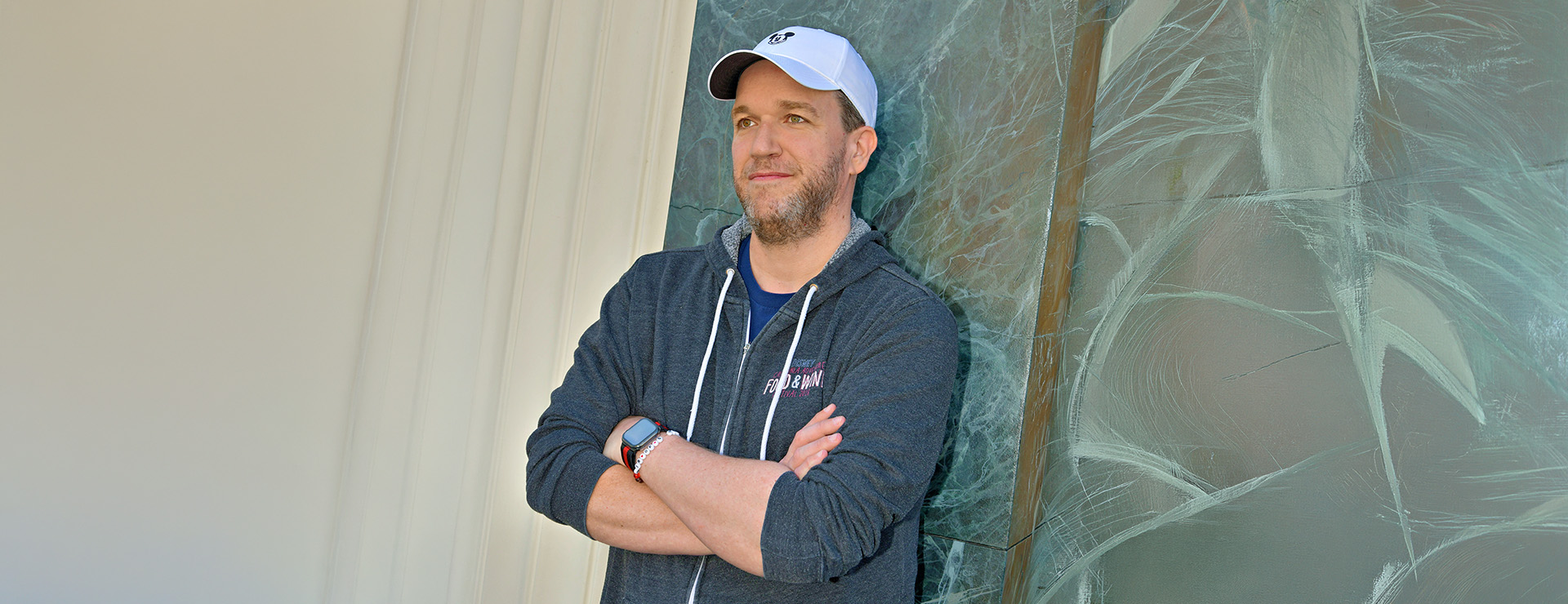
John Torrey is editor at TiVo, an Xperi company, where he has spent nearly two decades shaping content discovery and editorial experiences across TiVo's television and streaming platforms. Outside of TiVo, he is the co-owner of Risky Quizness, a San Jose-based company that produces live pop-culture trivia events.