
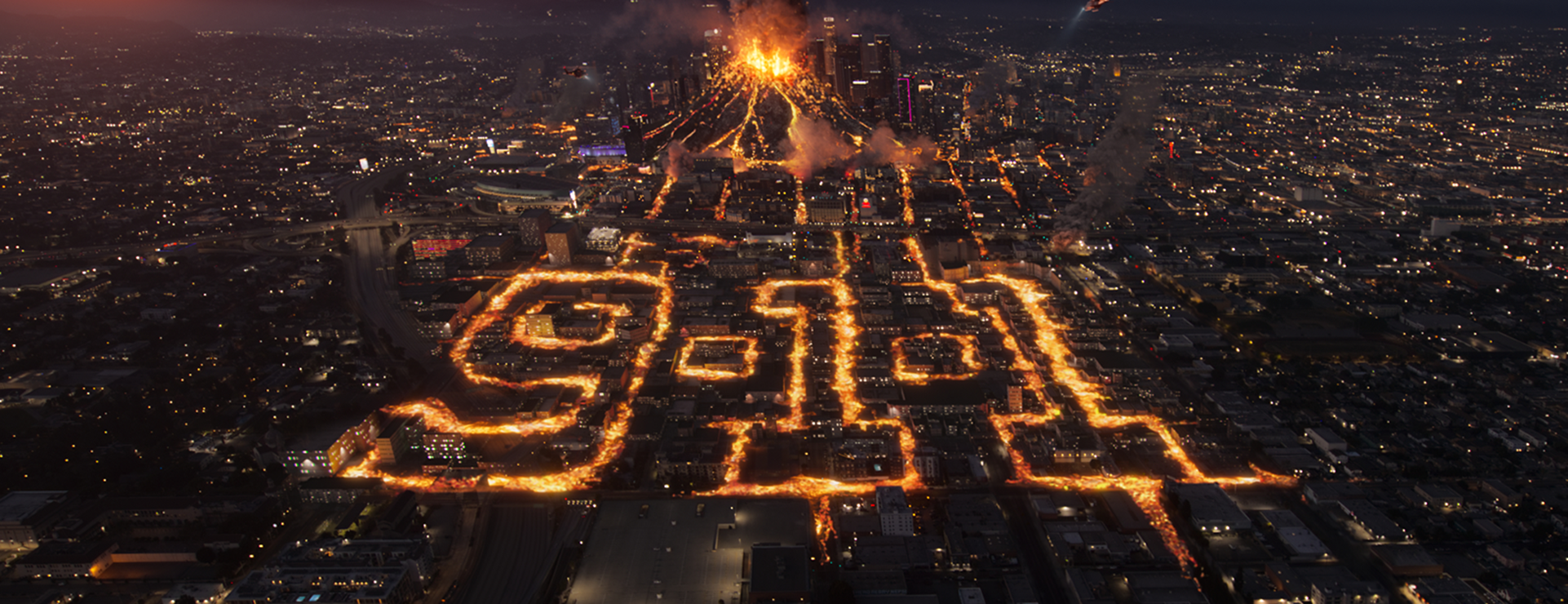
When ABC launched season seven of over-the-top disaster series 9-1-1 with an over-the-top campaign featuring pirates, a hurricane and a cruise-ship catastrophe, viewers weren't just watching a standard network promo. They were witnessing a masterclass in cross-disciplinary storytelling executed by Zoic Studios, the visual effects powerhouse founded 24 years ago by Chris Jones and Loni Peristere.
Originally brought in by ABC Marketing to turn season seven’s high-profile launch sequence into a marketing campaign, Zoic's seamless execution made an impression on the show's creative team. Soon enough, showrunner Tim Minear—a longtime collaborator of Jones' from their Buffy the Vampire Slayer, Angel and Firefly days—asked Zoic to handle the series’ internal visual effects. Today, Zoic uses its VFX expertise to create the spectacle that powers the hit show’s storytelling and drives its marketing campaigns.
Dialing Up the Disaster
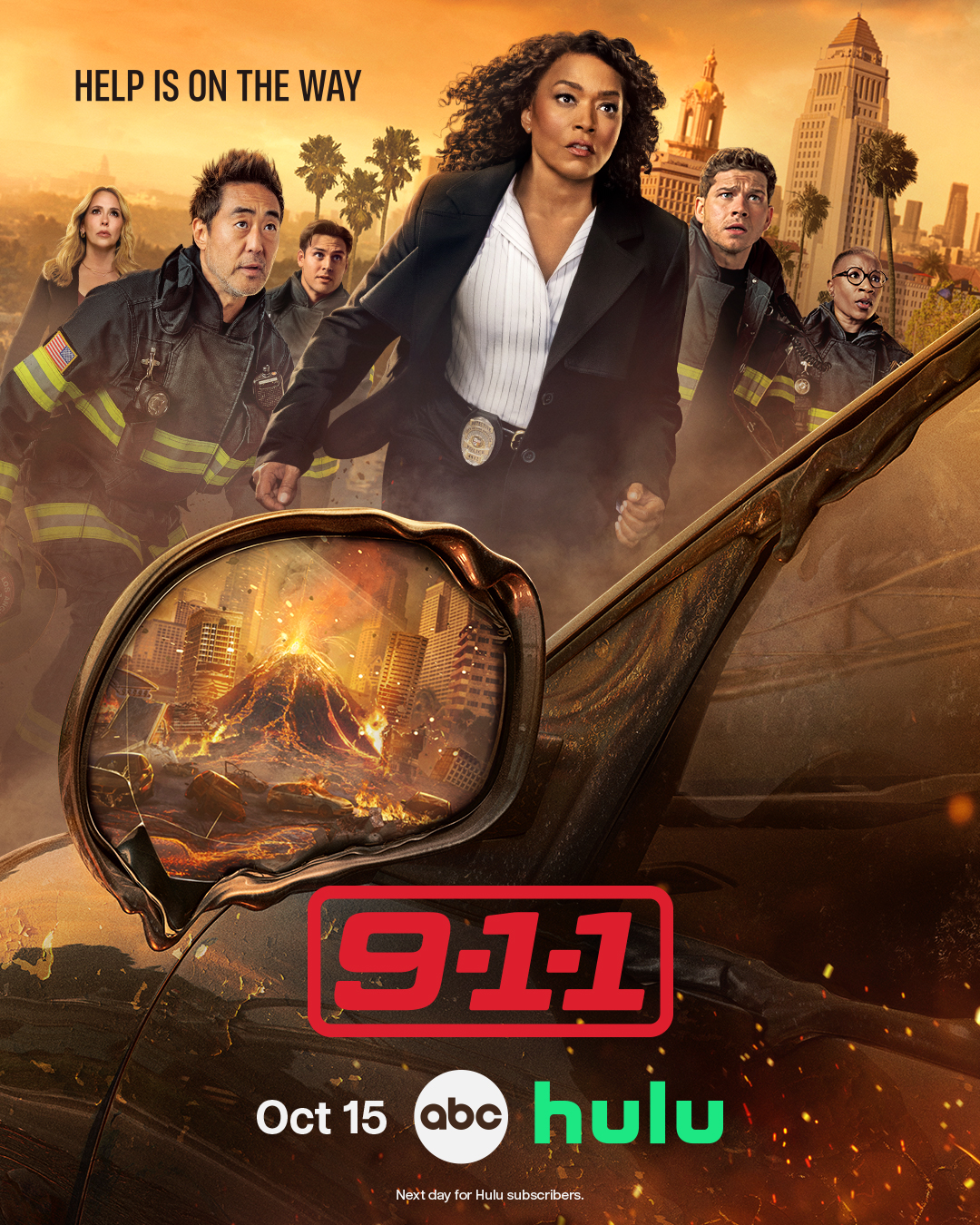
For season 10 of 9-1-1, which premiered Thursday, October 15, the show is once again dialing up the disaster as a volcano erupts in the middle of downtown Los Angeles. A man out for a jog suddenly finds himself running for his life away from spreading lava as he wonders aloud, “We got volcanoes in Los Angles?”
A look behind the scenes shows how Zoic added the lava to the downtown landscape for this social media post:
Zoic also produced a broadcast tease for the show, revealing the volcano as it erupts in the middle of the city:
Again, a behind-the-scenes video reveals how VFX were integrated into the spot:
Zoic worked hard to acquire real-world footage whenever possible. To capture the scale of Los Angeles' downtown skyline, the team conducted drone scouts before finally moving to an Astar helicopter equipped for specialized shoots. Simultaneously, still photographers shot panoramic plates for ABC’s internal teams, ensuring visual consistency across broadcast promos, key art and social campaigns.
"AI doesn't solve production problems on its own," Jones said. "If we can shoot it, we shoot it."
Zoics works with Simon MinHo Kim, executive director, branding and design at ABC Entertainment Marketing, to produce each season's key art, using imagery and effects they create during production.
When Zoic does deploy artificial ingelligence (AI), it uses its own bespoke technology developed within strict, secure boundaries. Rather than using open web tools or text prompts, Zoic uses proprietary microdiffusion models trained on specific synthetic data in secure, air-gapped server environments. By generating inference frames and applying control nets within standard compositing environments, Zoic’s directors can direct specific visual parameters without introducing digital noise or compromising security.
Between season seven’s cruise-ship disaster and season 10’s volcano, ABC and Zoic also have created swarms of killer bees for season eight:
And a very disruptive meteor shower for season nine:
Storytelling Rooted in Technology
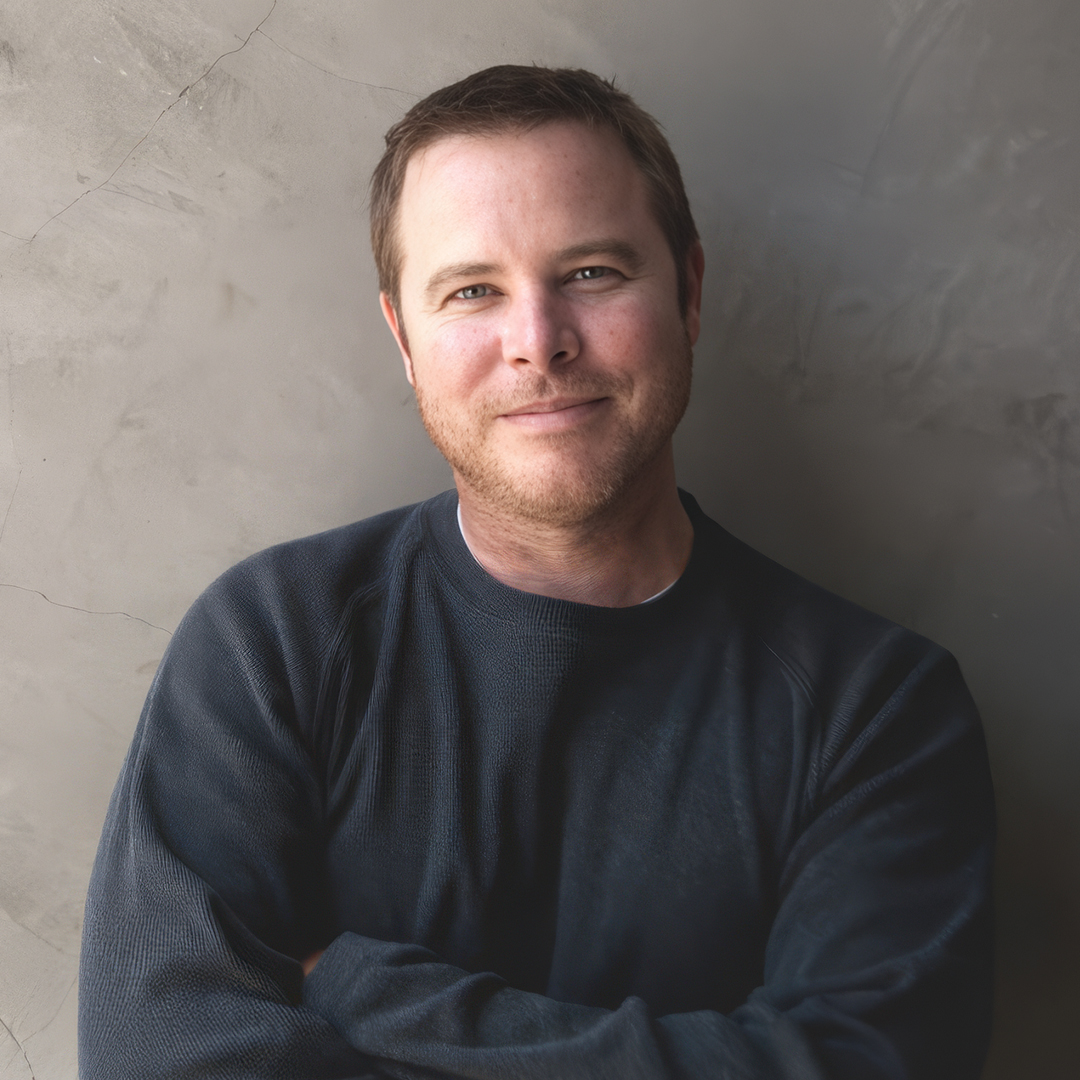
For Jones -- who also serves as executive producer and creative director -- the company's ethos has always been grounded in narrative, regardless of whether the output is a big-budget film, television series, 30-second broadcast spot or digital billboard.
"Zoic was built on leveraging great technology to tell vaster stories," said Jones, who also serves as executive producer and director. "All of our people are true storytellers. People don't just come to us for high visual fidelity; they come because everything is based on how we tell a compelling story."
That perspective is key when collaborating with marketing executives like ABC’s Steven Mosley, vice president of creative marketing; Chris Abbey, creative director, motion graphics; and Monica Chance, senior art director. Whether creating a teaser for a fiery volcano rising up from the middle of Los Angeles or launching a season with meteor showers and space missions, Zoic works closely with ABC’s marketing team from the earliest stages of a campaign to determine what can be achieved within tight budgets and even tighter schedules.
Digital Out-of-Home Innovation
Zoic's creative capabilities also extend into digital out-of-home (DOOH) installations. For season seven, the team designed a synchronized campaign across dual screens in Times Square, mapping out 3D spatial geometry so a rescue helicopter appeared to fly out of one billboard frame only to re-emerge from another one across the street.
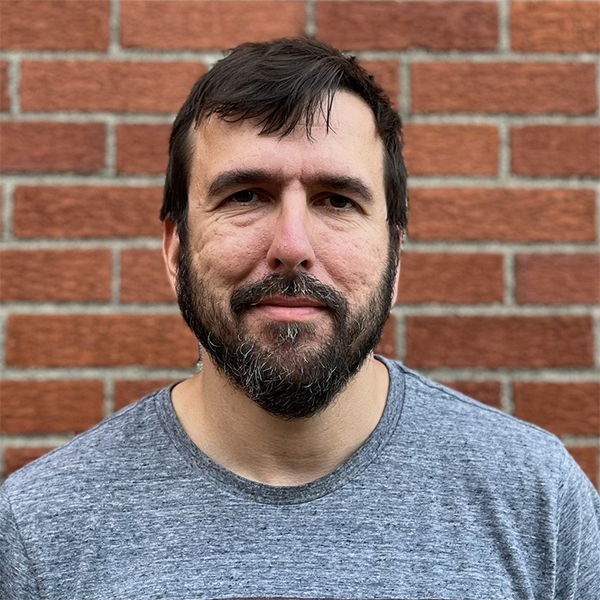
"Those screens give you custom 3D geometry," said Zoic VFX supervisor Andrew Bardusk. "You animate within a 3D representation of the physical space, and when it’s delivered, it's unwrapped so it projects correctly in the real world. Quality control is critical because once those screens go live in Times Square, everyone sees it."
Working on network television means operating under relentless deadlines. Deliveries often come down to the wire—such as completing 200 complex VFX shots in just two weeks, finishing final delivery at 8:00 p.m. the night before a new episode airs.
For Bardusk, pushing the creative boundaries is part of the fun. "When you're working in the 9-1-1 universe, real life isn't your baseline," Bardusk said. "It's over the top, fast-paced and wildly creative. Whether we're doing lava or earthquakes, my goal is to give the audience everything they expect and more."An