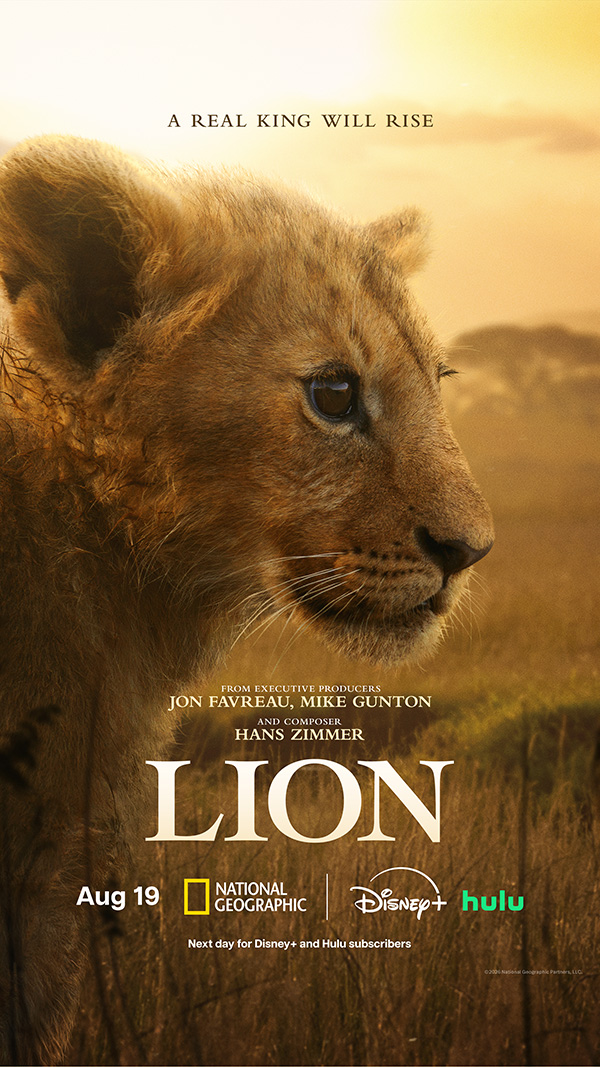

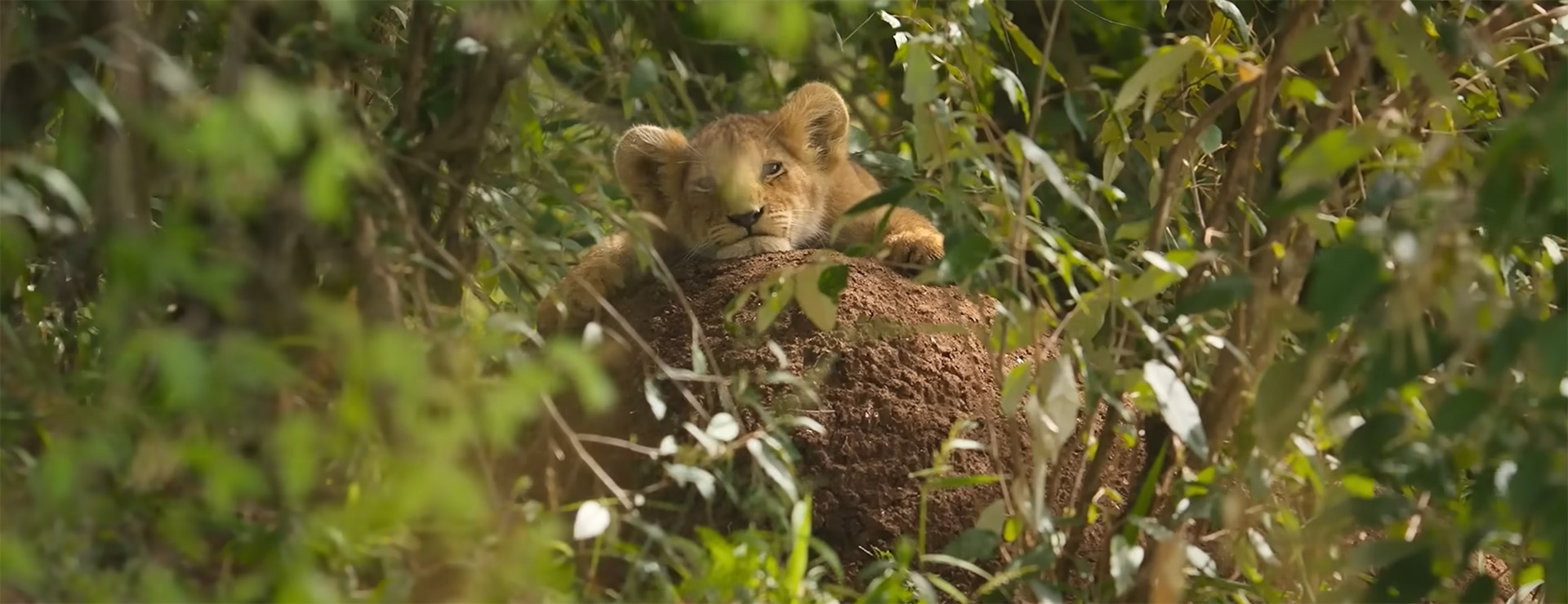
Everyone remembers the iconic moment in Disney’s animated classic, The Lion King, when Mufasa, king of the savannah, lifts newborn cub Simba in the air for all of his realm to celebrate. Since the original movie was released in 1994, The Lion King has been retold as a much-loved Broadway show, a live-action movie and a 2024 prequel, Mufasa: The Lion King. Now, National Geographic is telling a real-life version of the story for which producers followed one pride of lions over four years. The series focuses on one cub in particular, Kio, who takes a journey that parallels Simba's.
A four-part natural history series, Lion began streaming on Hulu and Disney Plus on August 20, climbing to the top of Disney Plus’ streaming charts within two days of its debut.
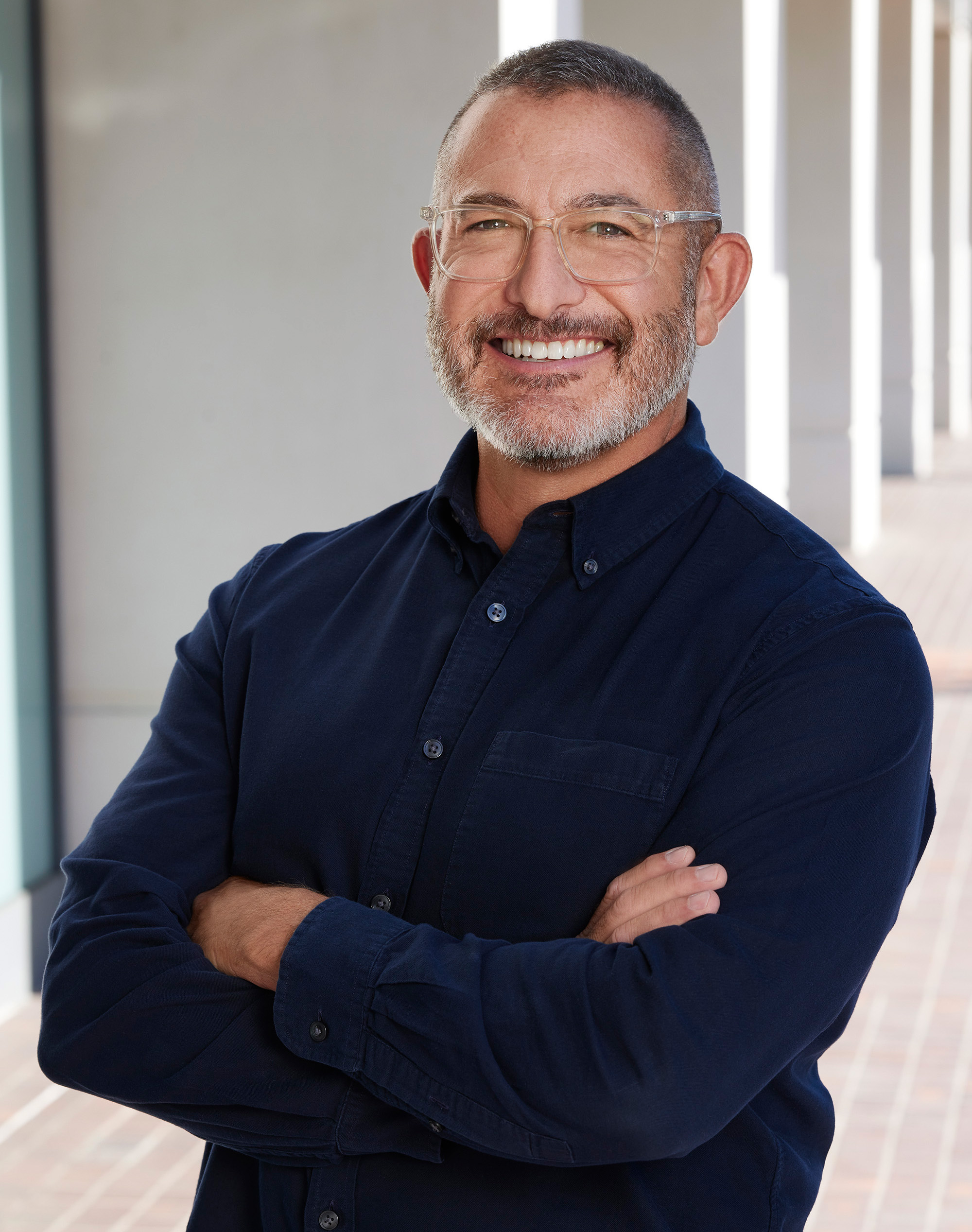
To market Lion, Joe Ortiz, senior vice president, marketing, Disney Entertainment Television, led his team to build a multi-platform, multi-event extravaganza, with Disney’s ultimate fan event, D23, at the heart of it.
“What made Lion unique was this perfect combination of innovative filmmaking that Nat Geo is famous for, combined with the emotional storytelling that Disney brings to life every day,” Ortiz said. “It's these two brands coming together in a way that felt truly unique and different for fans.”
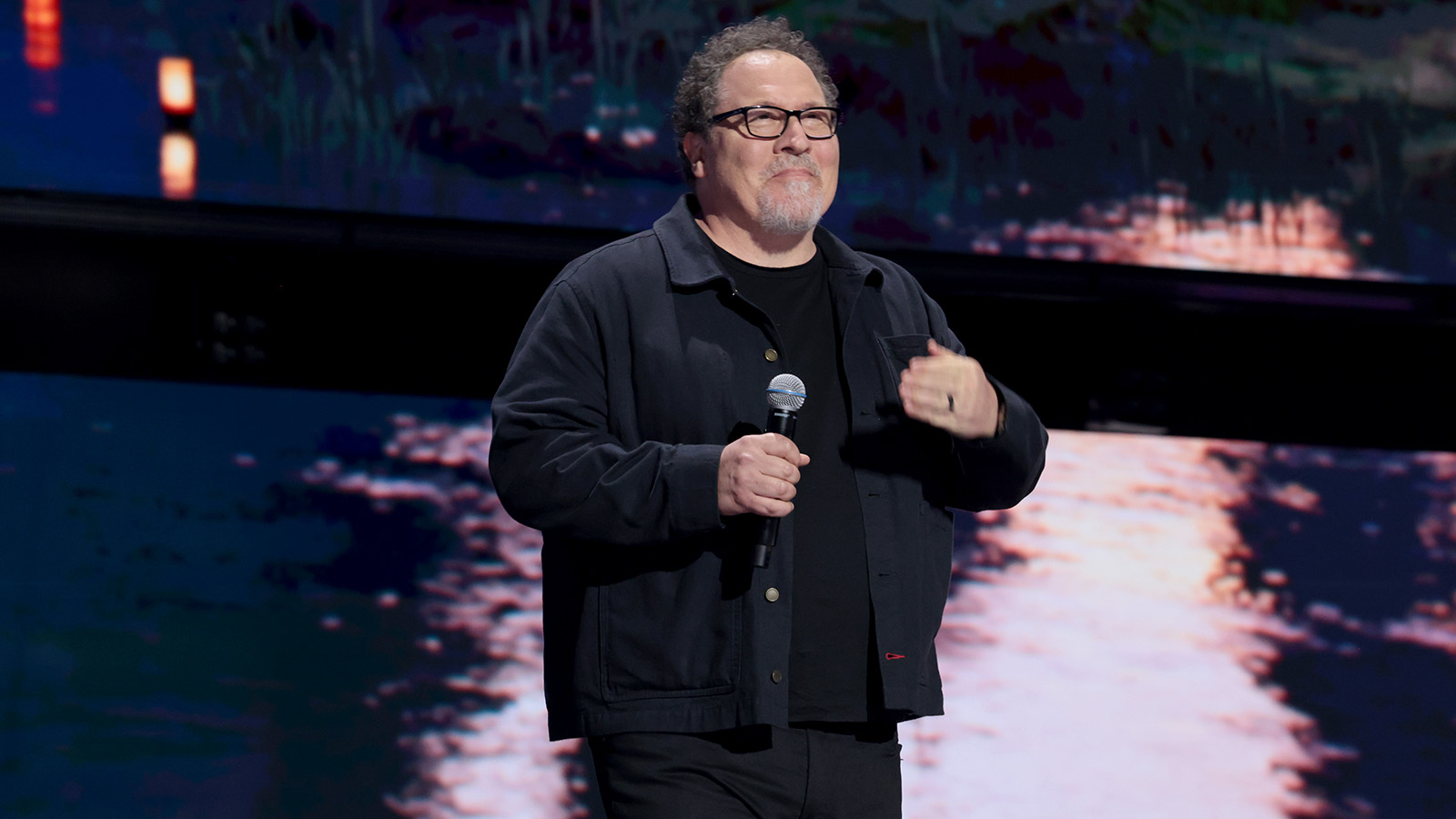
At D23, held at the Anaheim Convention Center August 14-16, Lion executive producers Jon Favreau (The Mandalorian, live-action The Lion King) and Mike Gunton, who also serves as creative director of BBC Studios’ natural history unit, presented a first-look clip to fans.
D23 attendees could also immerse themselves in a 4D theater experience that featured previews and immersive moments from Lion, as well as take selfies at photo activations and grab giveaways on the Disney Plus/Hulu show floor.
Disney and Nat Geo also co-hosted a panel at D23 titled “Capturing the Wonder of Nature,” featuring Lion Director of Photography Sophie Darlington and moderated by Disney Imagineering’s Joe Rohde.
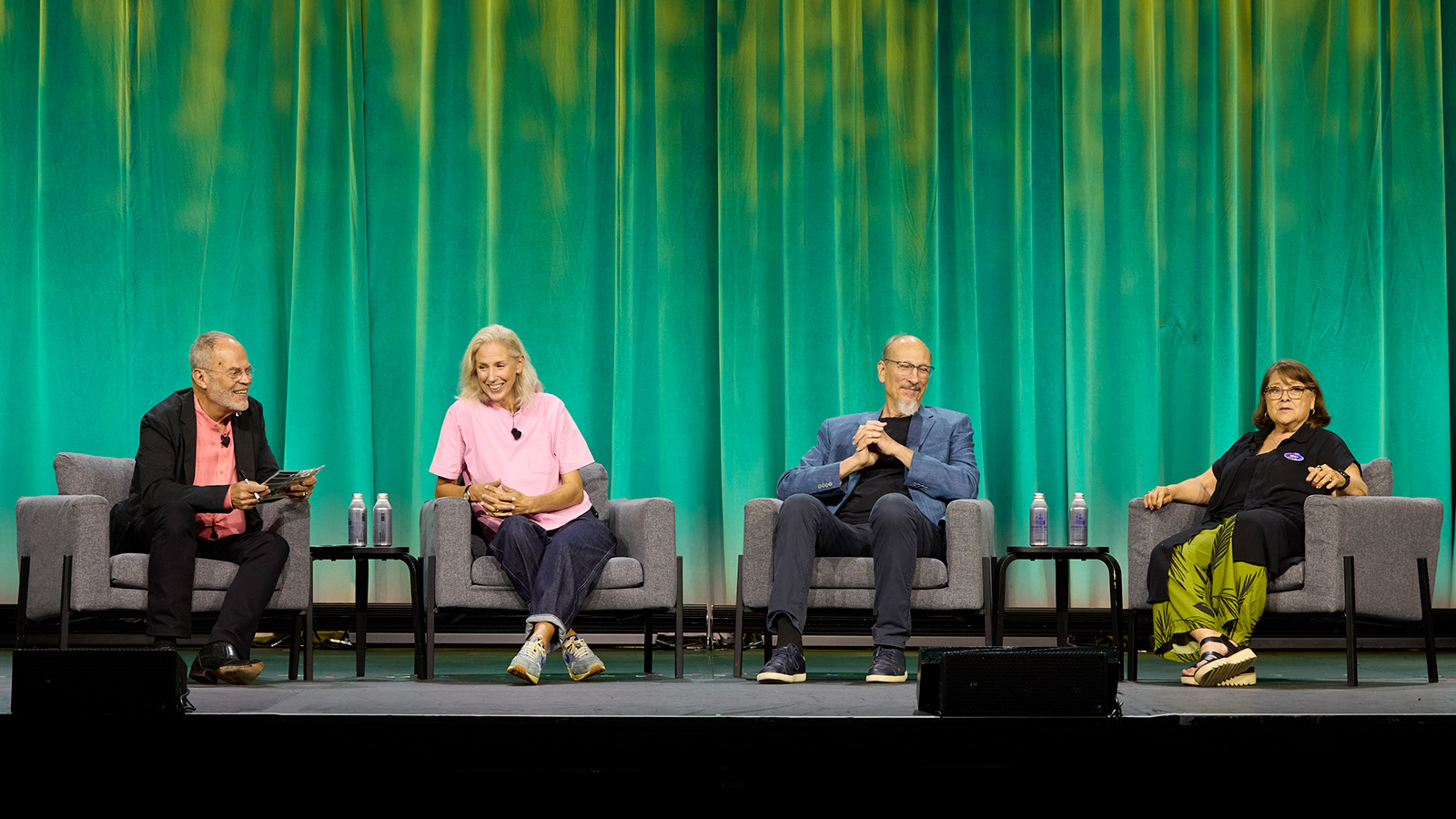
“[Lion] is a premium title for the Walt Disney Company and for fans of Disney,” Ortiz said. “It was no mistake that we premiered Lion just four days after the biggest event of the year for Disney fans. That was a big choice that we made.”
Beyond D23, Nat Geo and Disney orchestrated a cinematic-scale global launch for the program, including an IMAX world premiere at the California Science Center in downtown Los Angeles on Tuesday, August 18, just after D23.
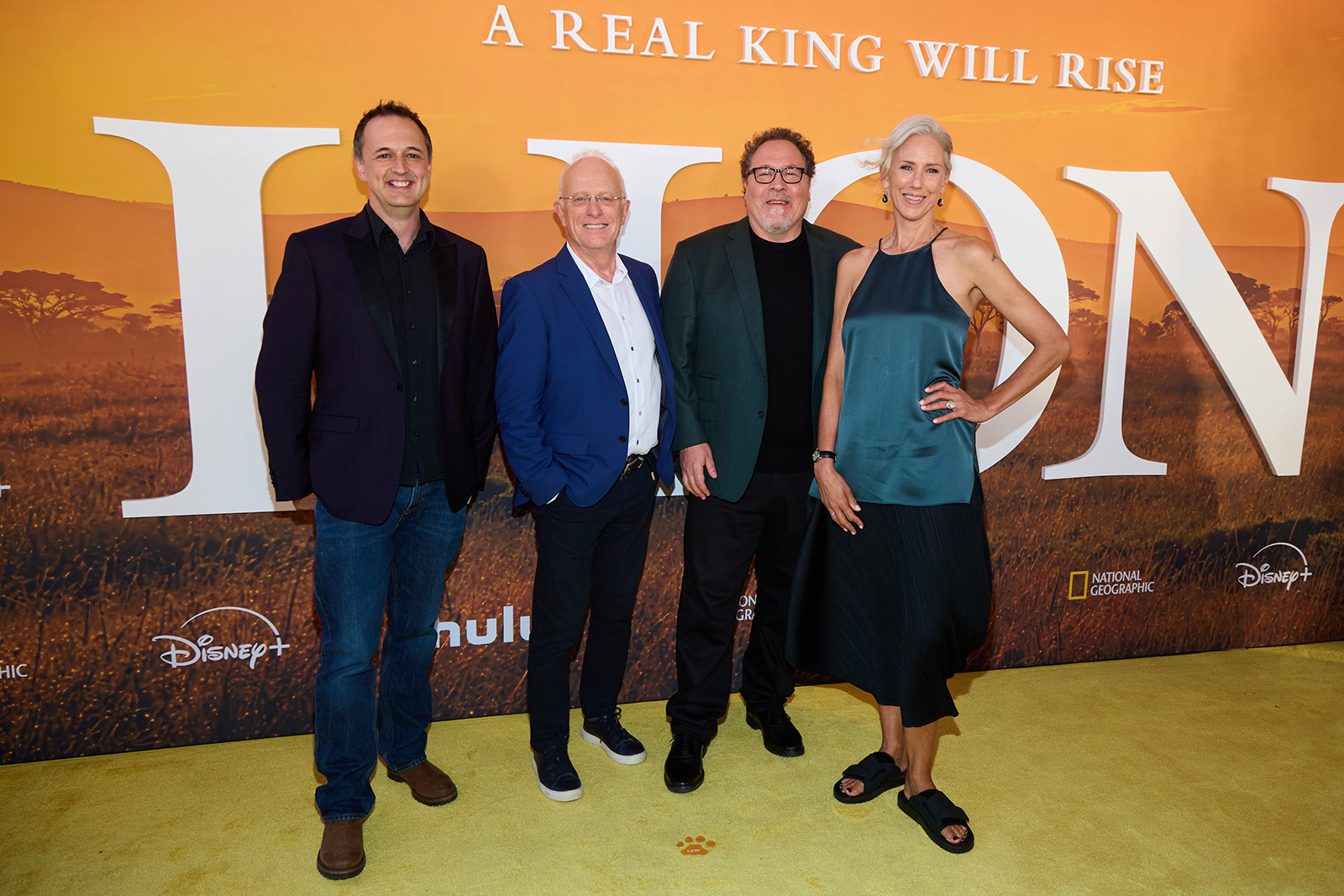
After the IMAX world premiere, Nat Geo partnered with AMC to host free screenings for select audiences in such U.S. markets as Los Angeles, New York, Dallas, Philadelphia and Washington, D.C. Attendees received branded in-seat tote bags.
Working with local agencies, "we invited Lion King fans across the country to see Lion in the biggest and boldest formats," Ortiz said.
Out-of-home (OOH) static and digital billboards also played a big part, with takeovers mounted on major New York City subway platforms, including the Oculus at One World Trade Center, and busy Los Angeles intersections.
More specifically, Nat Geo’s marketing team targeted Disney fans and families, designing content specific for co-viewing, including kids’ reaction videos on Instagram and editorial extensions across National Geographic’s print publications: National Geographic, National Geographic Kids and National Geographic Little Kids. In September, National Geographic published a 10-page graphic and map feature that explores the many challenges African lions face throughout their lives, as well as lions’ social dynamics, anatomy and range.
Moving the marketing from awareness into impact, Disney connected the series directly to its global lion conservation effort, Protect the Pride, which operates in partnership with the Wildlife Conservation Network’s Lion Recovery Fund. The groups have a goal of doubling the population of African lions in the wild by 2050.
“You can really amplify a phenomenal show with phenomenal marketing. That’s what we dream and I think that’s what we’re seeing here,” Ortiz said. “Our job is not only to build awareness and attention and drive people to the platform, but we also need the platform to connect with audiences in really sizable ways. When all of those things work together, that’s when you become number-one on Disney Plus.”