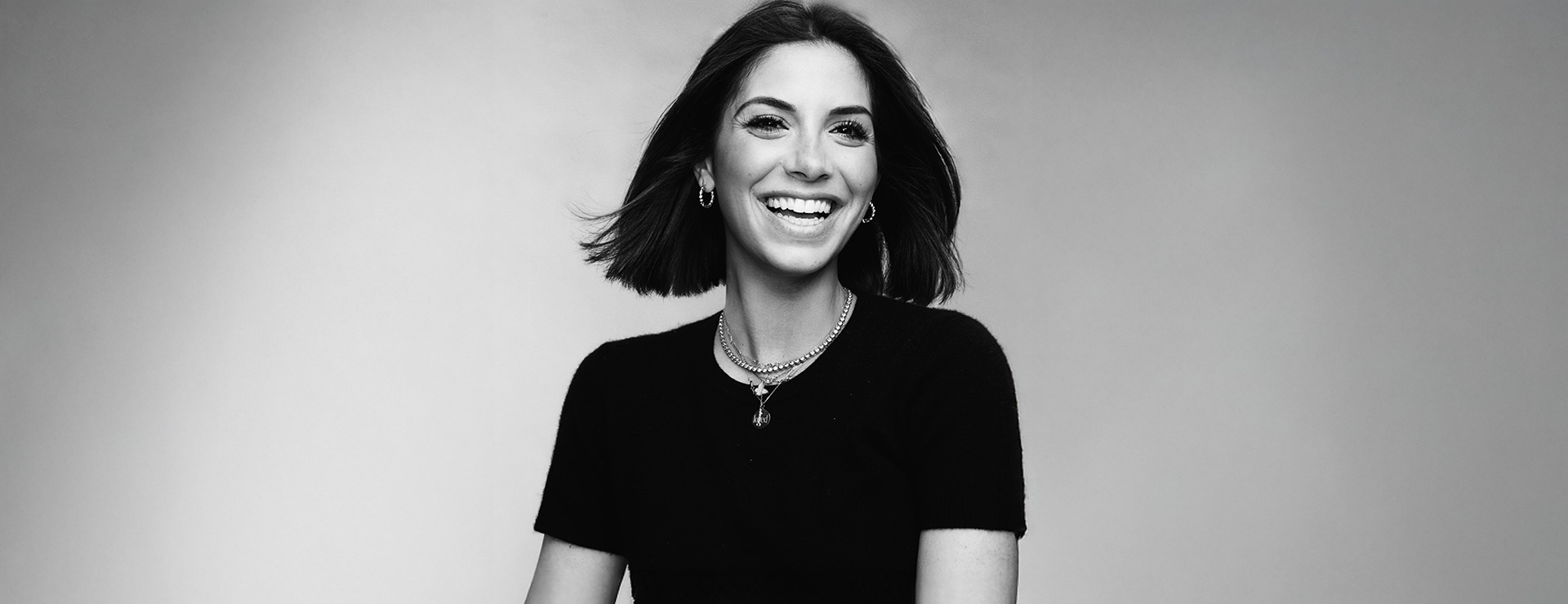
As 2026 kicks off, Jennie Wilkes begins her new role as executive vice president, creative marketing, Paramount Plus, Pluto, direct to consumer. Wilkes joins Paramount at an inflection point in the industry, when already huge media companies are merging to create the scale necessary to fully compete in the new world of digital and streaming.
Wilkes comes to Paramount after nearly 11 years at Netflix and a year of running her own consulting firm, Wilkes Creative. She says her new job is a dream come true – combining all of the things she has worked toward.
Spotlight chatted with Wilkes right before she was to officially start her new gig, touching on her approach to creative leadership, what she values in leaders and mentors, and where she thinks entertainment marketing is heading.
Spotlight: What led you to start Wilkes Creative?
Wilkes: After I left Netflix, I had just had my second kid and I really wasn’t sure what I wanted to do next. I got a call from someone I used to work with at Netflix – the incredible Monica Austin, CMO at Blizzard – and she asked me if I wanted to consult with them. I had never even thought about consulting, but because of the work I had done with her at Netflix, she wanted my help in thinking through some long-lead franchise strategy for World of Warcraft and a few other properties. At that same time, I had been chatting with the amazing Shannon Ryan [president of marketing, direct to consumer & Disney Entertainment Television] and Aaron Goldman [executive VP, creative marketing, Disney Entertainment Television] about potentially working together on Ryan Murphy’s new show, All’s Fair for Hulu. Before I knew it, things just snowballed. So many friends, colleagues, and mentors reached out with opportunities and believed in me early. It was that support that gave me the confidence to build Wilkes Creative and for the first time in my life, truly bet on myself.
Sometimes, when you're in a long-term relationship with a corporate entity, it's easy to lose sight of what your impact is versus what the company's is. Netflix was an incredible experience for me. It completely changed my life and taught me so much of what I know, but the ability to redefine that for myself and test my own experiences and skill set outside of Netflix was so important. Being on my own, I got to widen my aperture of not just doing campaign after campaign or leading creative teams, but to truly try new things outside of the core industry I had been in. It was a breath of fresh air. Whether it was Airbnb, Mr. Beast, Blizzard, HBO Max, Hulu/Disney or Ryan Murphy himself, each client taught me something different.
Being on my own also pushed me to tap some of the connections in my own inner circle that I'd never really been able to before. When you're internal, you don't necessarily use your network in the way you probably can or should. But being outside of the corporate structure for the first time, my network suddenly exploded. It was an amazing way to flex different muscles, play different parts, and think through what it is exactly that I have to offer. What is my impact value? What's my special sauce? What is the point of view that I bring to the table? There was something refreshing about defining that for myself and being hired directly to come in and do the thing that I do best.
Spotlight: What did you determine your impact value was?
Wilkes: I think it comes down to passion and genuinely caring the most. It’s about being a creative storyteller who is obsessed with creative excellence, with pushing boundaries, with zigging when other people zag, with asking questions, with being bold and having a point of view and not immediately backing down from any of that. I think good ideas can come from anywhere, and working across so many different spaces taught me to look beyond conventional thinking and embrace both my authenticity and that of each client and campaign. In life and also in marketing, what others think is your weakness might just be your biggest strength.
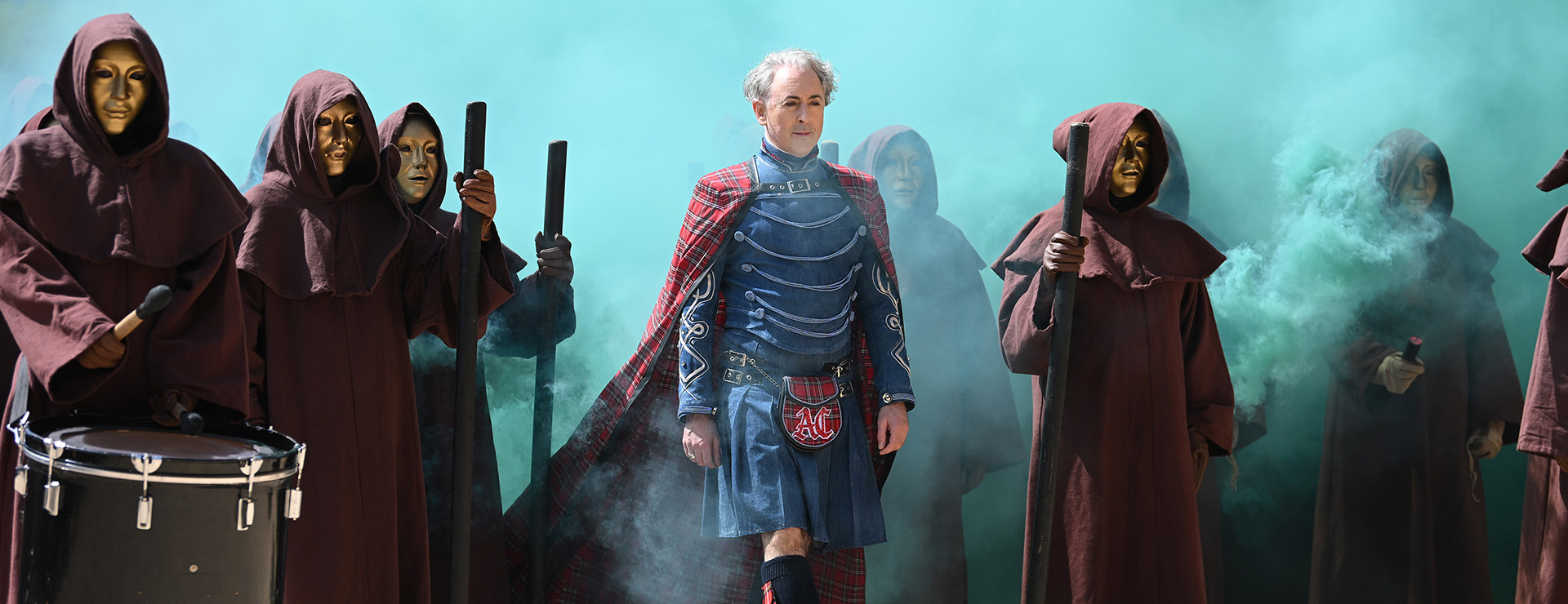
There was this tagline we used in All’s Fair – ‘Never Settle’ to represent these amazing women who decided to leave an old boys’ club law firm because they could never get a proper seat at the table. So instead of just getting another table, they decided to create their own law firm. A firm by women for women. And hell hath no fury like a female divorce lawyer in six-inch designer heels. With that energy, our goal was to position the show and these women as a kind of cultural feminomenon.
Spotlight: In a Chappell Roan kind of way.
Wilkes: Exactly. Which is why we loved that tagline of 'Never Settle.' It played double duty for us. It meant never settle in the courtroom, but also never settle in life, never settle in love, never settle in anything. In a way, I feel like that kind of encapsulates my point of view on the work itself. You have to know when to pick your battles, but the spirit of going in with passion and wanting to work harder or to try more or care more than the competition, that's something that creators see, that teams see, that people see – it's a hunger and ambition that resonates and it matters and makes a difference. It's what I've seen in great leaders that have inspired me in my career. It was really special to be recognized for that so specifically – that never settle energy if you will – and to be brought in to help champion those types of ideas and campaigns.
Spotlight: You mentioned All’s Fair and Ryan Murphy, with whom you also worked with at Netflix. And you worked with the Duffer Brothers and Shawn Levy on Stranger Things – which is so in the cultural ethos right now – from day one. What do you think working with such big-name talent has meant for your career?
Wilkes: It’s been an honor and privilege to work with artists and creators I deeply admire. Whether it's Ryan, The Duffers or Shawn, these relationships and creative partnerships changed my life. They have extended well beyond the campaigns themselves and there’s no denying that my relationships with talent have had a significant impact on my career. The ability to connect with creatives, build trust, and establish genuine rapport — so they feel supported in realizing their vision through marketing — has always been a consistent part of my work. It’s one of the ways I’ve been able to truly grow and evolve professionally and I have to credit a lot of that to my childhood.
Growing up with an artist father — my dad is photographer, Stephen Wilkes — gave me an early and lasting understanding of the complexity of the creative process and the artist mindset. I was always aware of the depth, effort, passion and vulnerability that go into making meaningful work, in addition to the very real pressure artists carry. You are often only as valued as your last project, and the work itself is deeply subjective. As my dad’s mentor, Jay Maisel, has said, ‘art is, to some effect, trying to make others see what you see.’
My dad has been a profound inspiration in my life and has taught me so much about creativity, storytelling and human connection. Whether the medium is photography, film, painting, music, theater, whatever it may be, what matters most is the ability to elicit emotion.
Having that perspective instilled in me from an early age deeply shaped how I approach creative work. It has allowed me to see things from the creator’s point of view and to connect with talent in a way that fosters mutual respect, trust and honest creative collaboration. There’s an intimacy to the work that stems from a genuine place of curiosity and enthusiasm.
I’m forever grateful for those experiences and I’m genuinely excited to continue building and deepening these kinds of creative relationships at Paramount.
Spotlight: How did the Paramount opportunity come along, and why did going in-house appeal to you versus continuing to do your own thing at Wilkes Creative?
Wilkes: I always told myself that if I was going to leave Wilkes Creative, it had to be for something that truly felt like an evolution in my career – a bigger step up, if you will – and a role that would allow me to have real impact across an organization. To be in a leadership position where I could really build and create a unique culture for the team and a true point of view for the company, that would be the ultimate dream job and a real test for myself.
Cindy Holland [chair of direct to consumer for Paramount, formerly vice president of content at Netflix] and I had been chatting on and off for a long time. I had worked with her from day one at Netflix and we have a long history together. Cindy is one of the smartest, most creative and driven people I know and I have always deeply respected and admired her and her work. She introduced me to Dominic DiMeglio [EVP, chief marketing officer, chief data officer, Paramount Streaming] – who is such an incredible human and leader – and together, they shared their vision for what this new version of Paramount could be and my place in it. It felt like a dream role. It's the kind of opportunity that doesn't come around very often and getting the chance to work with so many people that I love from so many different moments in my career and to have a real seat at that table – I knew I couldn’t pass it up. As much as I have loved being out on my own, this role feels like the thing I've always wanted.
Spotlight: You mentioned being inspired by certain leaders. What specific things about these leaders inspired you that you’ve integrated into your own work style?
Wilkes: I think the best leaders are the ones who see you for who you are, and clear the path to let you do your job. They value you, and they don't try to put you in a position where you end up feeling pigeonholed. They give you the right context to know how to make the decisions, and then you are able to go and make them. That was a big tenant of Netflix culture, this idea of context versus control. You were often given the context and then given the opportunity to expand upon it and explore it. That was where I feel like I got to really shine. I knew what we needed to do and then I was really given the chance to just do it.
The other thing that I had in great leaders – and I use this line a lot – was this concept of air cover and air lift (shout out to Ryan Crosby!). I think the people that back you up when stuff goes down and who are also simultaneously there to lift you up are the greatest leaders of all. You want someone who's going to ultimately help and protect you and also set you up to succeed. By the same token, I think you also need leaders who are honest and who are clear with their feedback about where you fall short and where you need to work. The right leaders aren’t losing faith in you, they're giving you the opportunity to be better with their support.
Those were just some of the things that were really significant for me in the mentors and leaders I've had – they were ultimately the people that took bets on me. They recognized my passion and believed in me. They let me take a risk that could pay off big or fail completely.
One story that comes to mind is when we were trying to license ‘Thriller’ for the Stranger Things 2 trailer. It was going to be a lot of money, and it was the kind of creative music risk Netflix had never really done before.
I remember being in a room with the senior marketing leaders at the company at the time and saying, ‘this is the bet I want to make. These are the chips I'm putting on the table. I believe so deeply in this.’ And they looked me in the eye and they said ‘OK.’ At Netflix, you could take big risks as long as you acknowledged the responsibility and shared the learning – the good or bad – with the rest of the team. It was your bet to make, and your result to own. In taking that risk, it created one of my favorite pieces of my career thus far and a cultural moment that truly shaped the franchise forever. It could have gone very wrong, but it went really, really right.
That’s what it comes down to – letting people take risks when it makes sense and giving them the chance to go all in, truly all in. Those are the kinds of leaders that create real change and make a real impact.
Spotlight: Do you think you'll be able to bring that type of risk-taking culture to Paramount?
Wilkes: I think that's one of the reasons Cindy is there, and one of the things they want me to bring to the team. They want somebody who is willing to make bold choices. Who is comfortable doing things differently and not the status quo. That being said, we all have to be careful that we don’t lose sight of our actual job and the end goal – or just make art for art’s sake. At the end of the day, we’re still in commerce and people still need to decide to sign up and watch. But great commercial art sits at the sweet spot where you can make something that’s so provocative and so cool – it makes people really feel something – and at the same time, they can recognize that it’s a TV show or a film. They'll have a semblance of the story and an idea or inherent curiosity to learn more and watch, and it’s that curiosity that’s key. Sometimes, we get so caught up in the commerce angle, we forget about the art. Finding that balance is something I really pride myself on and will be a goal of mine at Paramount.
Spotlight: What are some things you think people need to know about the way entertainment marketing has changed as we've moved from linear to streaming and how do you surf those trends?
Wilkes: As a consumer myself, I try to stay as on top of content as much as I can. But also, being a young parent, it’s hard to stay on top of everything. The Gen Alpha of it all is so interesting to me. I have young nephews and they’re into gaming – Fortnite, Roblox – and all of that is fascinating in terms of communal culture and how people are engaging and looking for that shared sense of reality and community on and off screen. I have a younger cousin who is 15 and she’s all over TikTok where these clip edits are becoming the way that people engage with and discover content vs. traditional trailers. Specifically a lot of library content too, not necessarily new content. That’s how Suits became this phenomenon because people were discovering these old versions of it on TikTok and people were clipping it together and creating these stories around it and then rediscovering it on streaming. There’s also fan fiction within Youtube/IG that’s taken off with AI now and the edits that people make to celebrate the stories they are watching. Fans are creating and pushing their own stories and agendas to fill the gap between seasons or create the content itself. Additionally, it’s interesting how the creator-culture economy is driving so much of what new media is. It’s not just that there are these huge creators like Mr. Beast or Kim Kardashian – it’s the 360 ecosystem they’ve created as a result and the opportunity to show up authentically within it.
At the end of the day, we are in a time where news is constant and we are overstimulated by the amount of content in our feeds and in our lives. If we want people to actually care about our content – enough so that they decide to sign up and watch – then we need to have something to say. It's more critical than ever to make audiences care about your content and just looking interesting is no longer enough. What is your reason to be? It’s no longer just about what you’re saying, but really about the when, the why and the how. We constantly have to reinvent the idea of the roll out. A tall order, but one I’m excited to dig into.