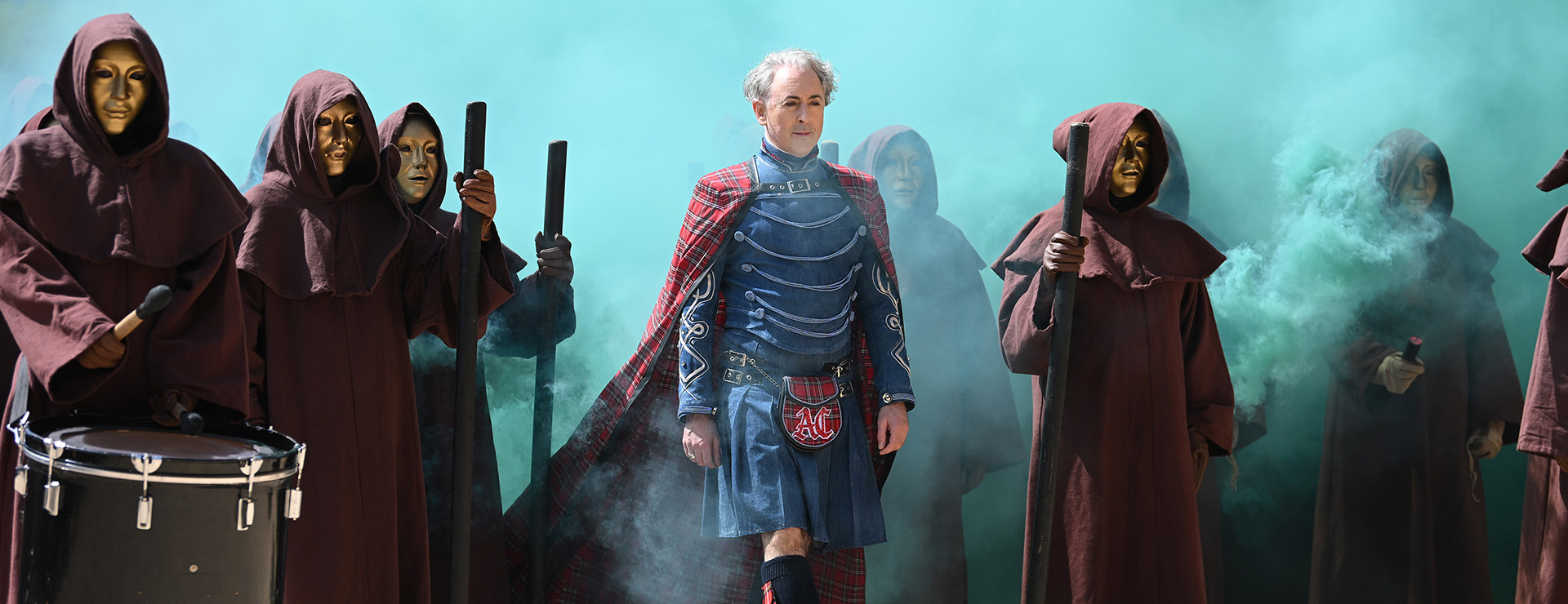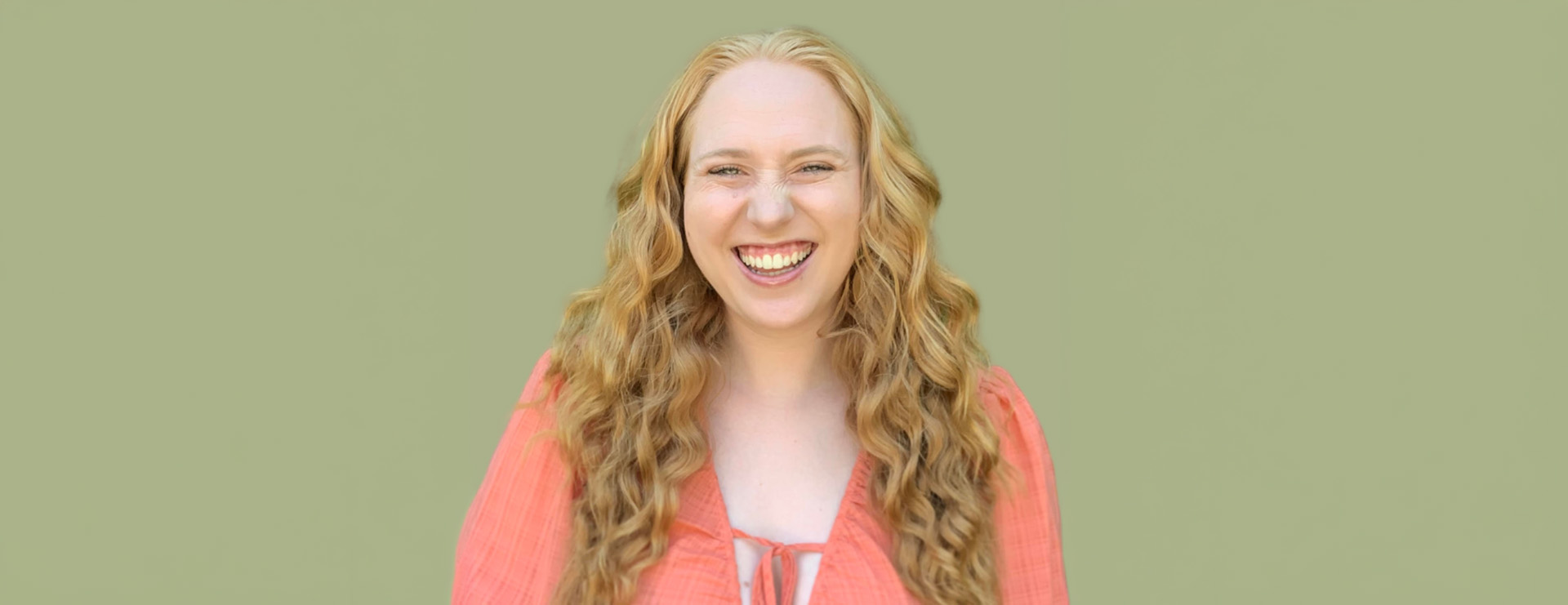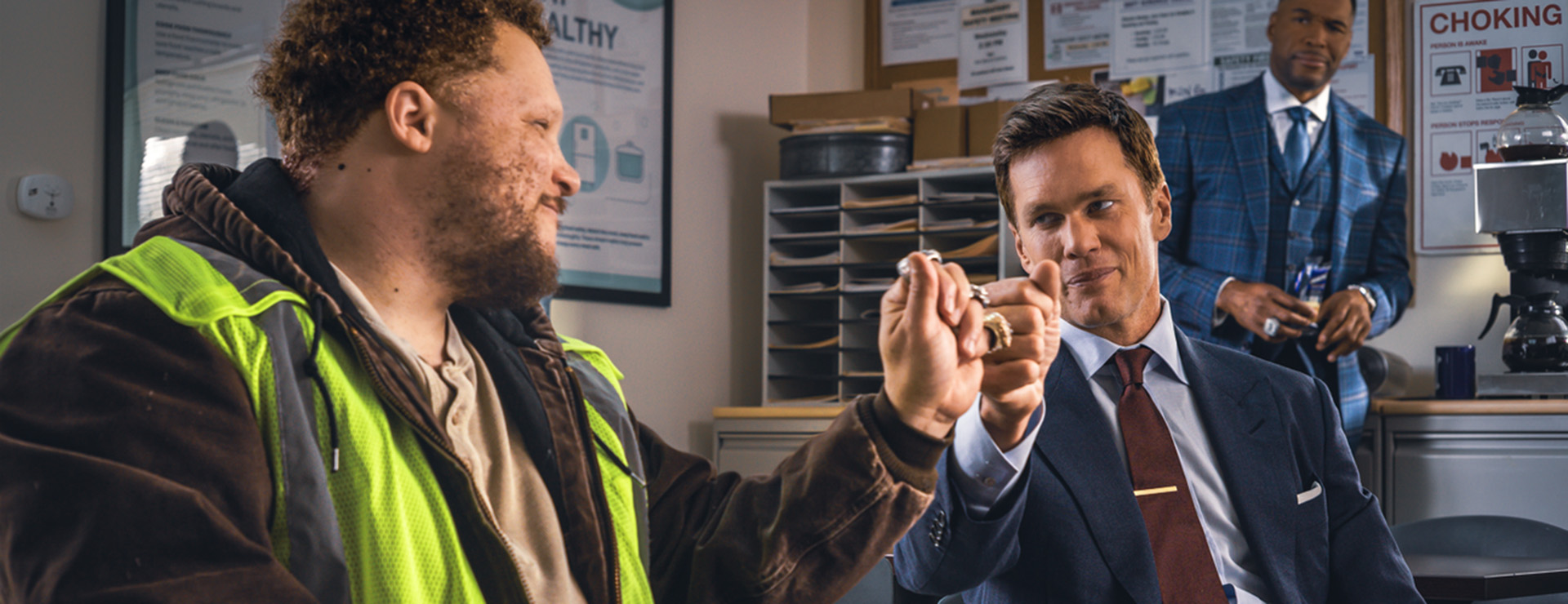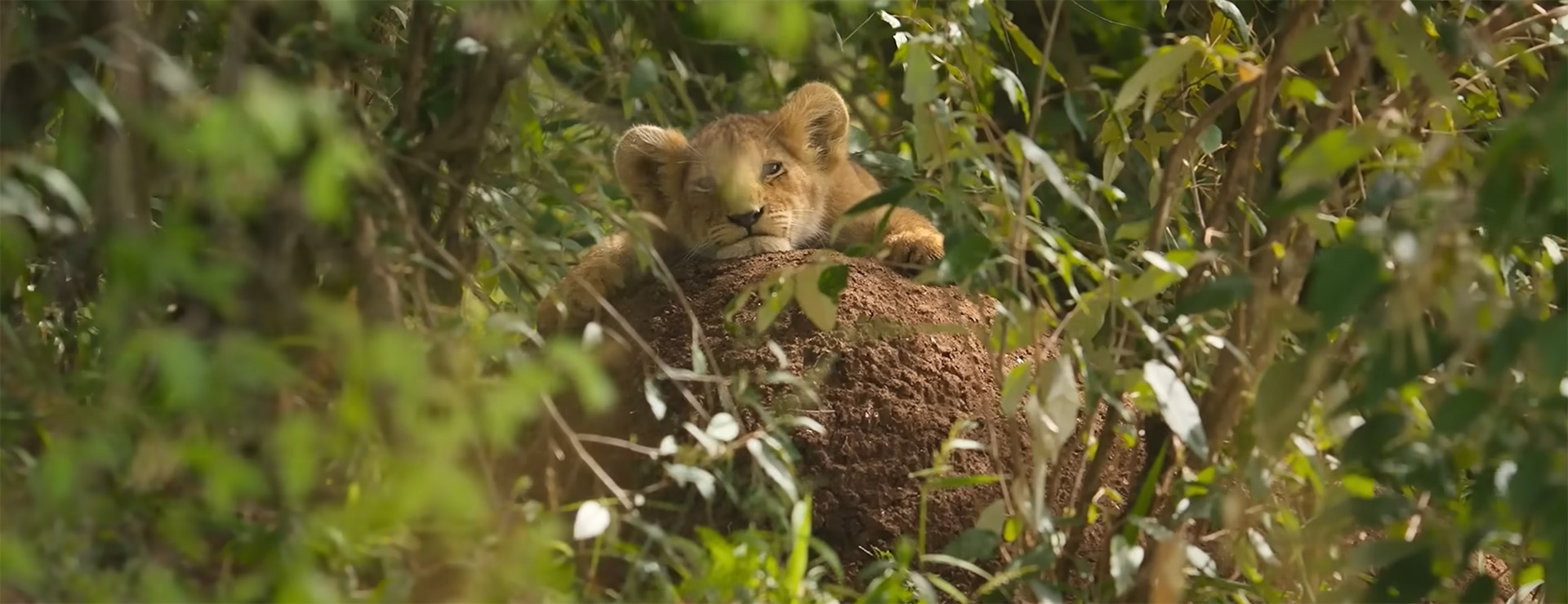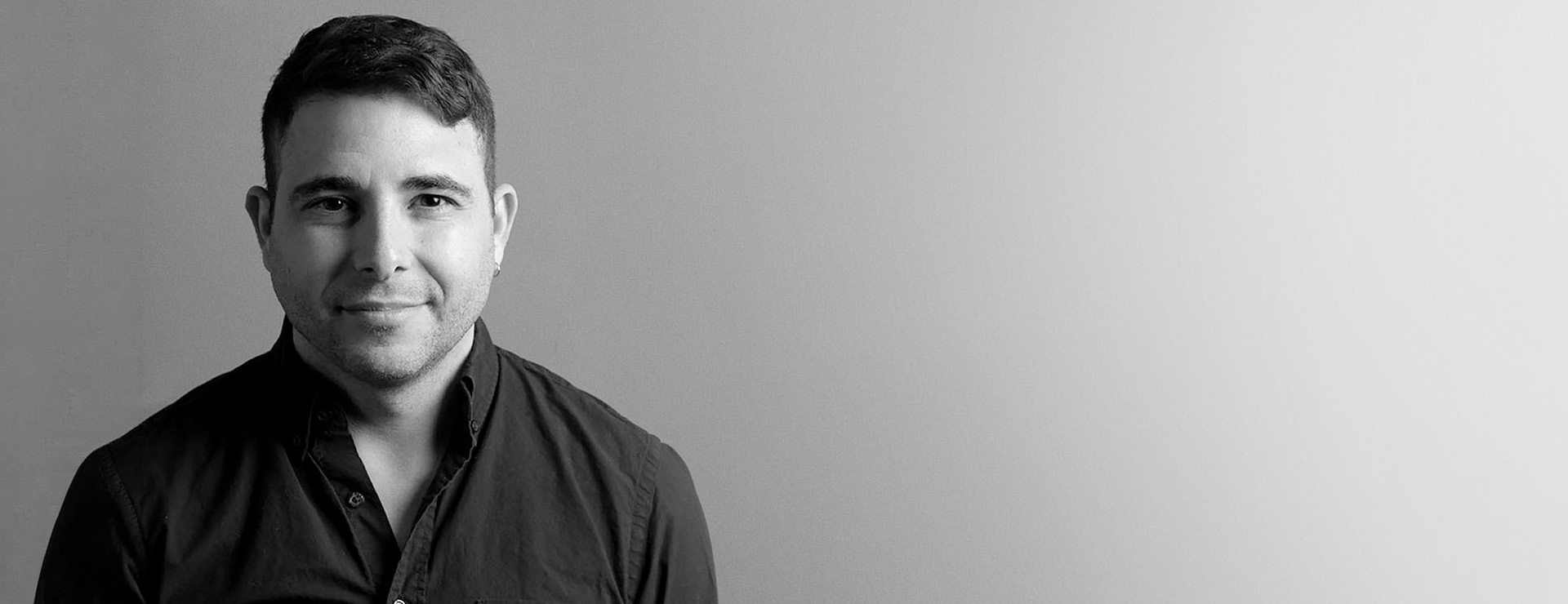
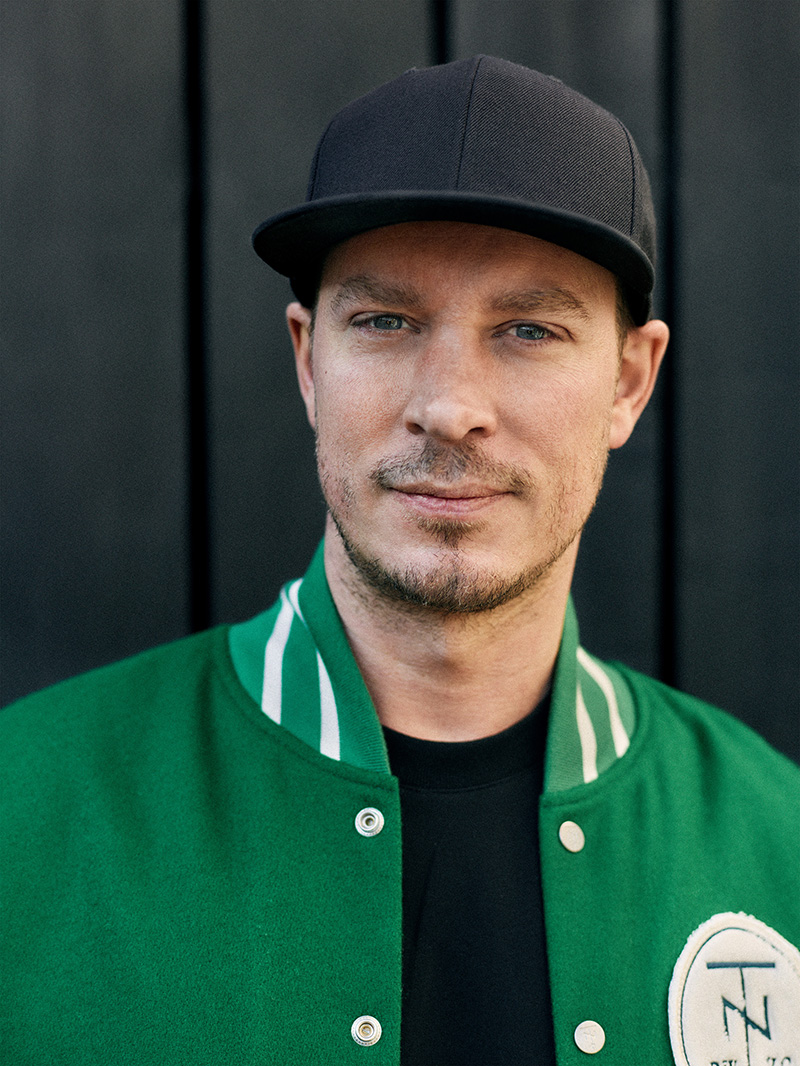
Bas Alberts, longtime friend of Promax and now GEMA, was the founder of Amsterdam-based agency DutchToast, which was a frequent Promax award-winner (Europe Agency of the Year 2017, Global Excellence Agency of the Year in 2019 and 2022) that did amazing work for such brands as Disney, Hulu, FX and many others.
Last year, DutchToast came to an end, and he opened a new agency, LoudShapes. Fresh off receiving GEMA’s Spotlight Honor, “The Art of the Cut,” at the 2025 GEMA Awards in October, Alberts joined Spotlight to talk about why he felt he wanted to make some changes and how those changes are panning out.
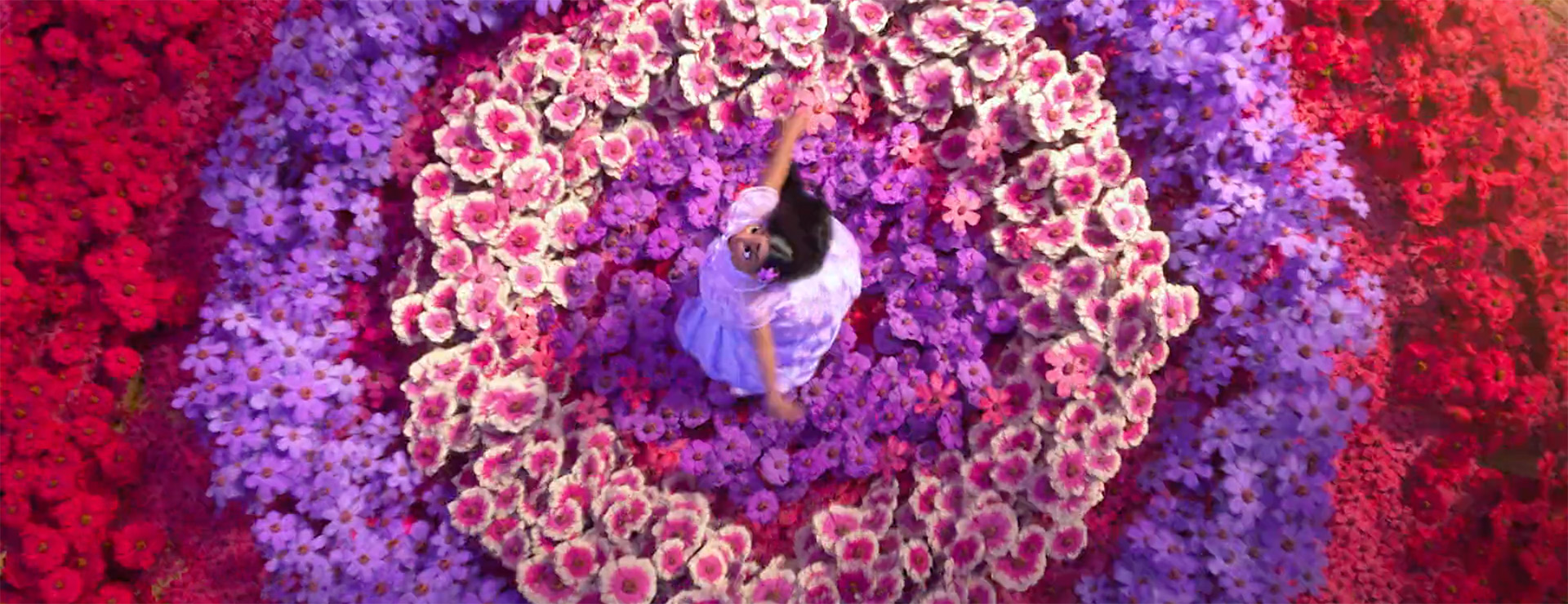
And if you’re wondering why he received an award titled “the art of the cut,” look no further:
Spotlight: What made you decide to evolve from DutchToast, which is well known and has been so successful, and launch your new agency, LoudShapes?
Bas Alberts, creative director, founder, LoudShapes: DutchToast had a great run and I’m genuinely proud of what we made there. We stayed small, had a clear identity, and really cared about the work. The love for editing, design, and sound was always the core. Toward the end, I was editing an almost ridiculous amount of work every year. I did that deliberately to protect the quality. I tend to stay very close to the work, from the first idea through creative direction and into the final cut.
At a certain point, I realized I was spending more energy keeping things consistent than pushing them forward. The work stayed strong, but the space to experiment and surprise myself got smaller. LoudShapes came out of a conscious decision to work with more focus, creating room to really dig into ideas and push them further. That’s how the work improves and better collaborations happen, not by grinding things out for volume. It makes the work better and the process more rewarding.
Spotlight: What’s the meaning behind the new name, LoudShapes?
Alberts: Names that aren’t too literal leave room to grow. The work can change, the medium can shift, and the name can stretch with it. It hints at rhythm and form without spelling anything out. If a name doesn’t explain itself too much, it can hold a lot. It lets the work define what it means. LoudShapes does that.
Spotlight: In describing LoudShapes, you say you “shape stories for TV, film and brands.” What does it mean to you to “shape stories?”
Alberts: I love work that feels clear and direct, but still rewards repeat viewing. It’s about finding one strong idea and building everything around it. As a project gets close to the finish line, there’s often a temptation to add more and spell everything out. That’s usually when things start to lose power. I prefer putting an idea on the table and trusting the audience to keep up. Overexplaining is where things die. One idea, pushed properly, is enough.
Getting there means making hard choices, refining layers, and killing a lot of good ideas along the way. That’s the part most people don’t see.
Spotlight: You were a Spotlight Honors recipient at GEMA’s awards event in October. What has your involvement with Promax and now GEMA meant to you over the years? How has it helped you advance your career and your work?
Alberts: Promax, and now GEMA, have always felt like a community of people who genuinely care about the craft. Seeing other creatives’ work pushed me to raise the bar, get inspired, and sharpen my own thinking. GEMA has played a significant role in my career and continues to do so today. The exposure helped my work get noticed internationally, which led to collaborations across different markets and opened up new kinds of projects.
One highlight was doing a workshop for GEMA Europe last year in San Sebastián. Public speaking is definitely outside my comfort zone, but it turned out to be genuinely fun. Talking through process, choices, and how the work actually gets made with people who care about the details reminded me why this community matters.
The Spotlight Honor meant a lot. It was encouraging and a reminder to stay curious and keep moving forward.
Spotlight: You have a very specific eye. What do you think has shaped your approach to branding, marketing and storytelling?
Alberts: I’m heavily influenced by film, music, and graphic design outside this industry. Work that knows exactly what it is, commits to it, and doesn’t apologize. The kind of work that hits you in the gut before it explains itself.
Editing, more than anything, taught me pacing, restraint, and what actually earns attention. Being in the cut teaches you quickly what’s working and what isn’t. Those instincts carry into everything I do, whether it’s a film campaign, a brand piece, or something more design-driven.
Repetition sharpens your instincts. You stop chasing clever and start chasing clear. You trust your judgment more, explain less, and let the work do the talking. If something needs too much justification, it probably isn’t strong enough yet.
Spotlight: You seem to be the rare animal who is both crazy creative but also a team leader and someone who can diplomatically manage clients. How do you balance what you want to do creatively with client wants and needs? What advice do you give other people who might find themselves in similar positions?
Alberts: That’s really nice to hear. I don’t experience it as balancing two different things. For me, creativity and working with clients have always been part of the same process. You have to understand what a client truly needs, not just what’s written in the brief. If you take a brief at face value, everything downstream can get blurry, and you often end up with something generic. The best briefs aren’t answers. They’re questions.
The most productive relationships I’ve had are with clients who want you to push first. Put something bold on the table, then shape it together. Those clients don’t just approve the work, they help take it further. You can always pull things back. Starting safe and trying to add edge later almost never works.
My advice is to make a call and own it. Give people something real to react to. Clients don’t hire you to play it safe. They hire you to push boundaries.
Spotlight: Given that you are so talented in so many different ways, what is your preferred way to spend your time? What’s your favorite part of your work? What have you really had to teach yourself how to do even though perhaps it didn’t come naturally to you?
Alberts: My favorite place to spend time is still in the work itself. Shaping something until it clicks. That moment when rhythm, emotion, and idea suddenly line up. That’s where I feel most at home. I tend to work very hands-on and stay close to the process. I don’t usually start with a fully formed concept. I start with a feeling, a direction, something that stuck with me, and let the idea take shape as I dive in.
Lately, I’ve also been taking that instinct offline. I’ve started making collage pieces from old newspapers, my own photography, typography, whatever feels charged. It’s the same cut and paste thinking I’ve always loved, just physical. It’s messy, tactile, and a great reset.
What I’ve had to teach myself over time is everything around that. Slowing decisions down. Letting other people in at the right moments. Knowing when to hold on and when to let go. Staying close to the craft doesn’t mean doing everything yourself. It means setting a direction, creating space for others, and stepping in where it matters most.
Spotlight: As the industry has evolved and things like streaming, social media and the creator economy have emerged, how has that changed the way you work? How has it changed the way you develop strategy for brands and clients?
Alberts: The biggest change is speed and volume. There’s more content, more platforms, and less patience. That makes focus even more important.
Early on, I tried to solve that by layering ideas and context. Over time, I learned to make one clear call and let everything else support it. It’s pulled the work away from explaining and toward feeling. People want something to react to, not a checklist. In practice, that means starting with a clear idea that can travel across formats. Platforms change, the idea doesn’t.
Spotlight: What have been some of your favorite projects over the years?
Alberts: Brand and image driven work tends to stand out for me, especially when the job isn’t just to promote content but to establish a clear attitude. Content moves between platforms, but when that foundation is solid, you often end up selling the channel before the individual piece. Viewers check in because they trust what the brand stands for.
The FXM image spots we’ve done over the years, including the recent Spectrum spot, fall squarely into that category. And yes, some of the golden oldies like A-Z of Action Stars and the Promax Conference Opener we did back in 2017 were also incredibly fun to make for the same reasons.
I also really enjoy working on original series. Brand work sets the framework, original series work builds the world within it. Getting involved early makes it possible to shape something that feels specific and intentional. Working on the official trailer for A Murder at the End of the World stands out because once the direction clicked, everything else fell into place.
I tend to get most excited when there’s a new project to dig into, alongside work already in motion.
Spotlight: What cool things are you working on right now that you are able to talk about?
Alberts: Right now I’m busy building LoudShapes while staying deep in the work. I’m focused on film and TV campaigns, brand projects, and image driven pieces. I’m interested in working with people who care about ideas as much as execution. Clients who are curious, open to risk, and who understand that good work comes from trust and pushing each other a bit.
What I’m enjoying most is the range. Moving between story driven pieces and sharp, punchy work keeps things fresh. Different formats, same mindset. Stay singular, make clear choices, protect the idea. I’m also leaning more into key art, title sequences, and the gaming space. I started out as a designer, so key art has always been close to my heart. Title sequences are a niche, but a great one. It’s where everything I love comes together. Storytelling, design, editing, sound.
It’s not the easiest world to break into, but that’s part of the appeal. We’re putting the work in. LoudShapes is less about a fixed team and more about bringing the right people together when it matters.
Alongside that, I’m spending more time experimenting outside of client projects. Testing ideas, breaking things, seeing what sticks. That energy feeds straight back into the work.