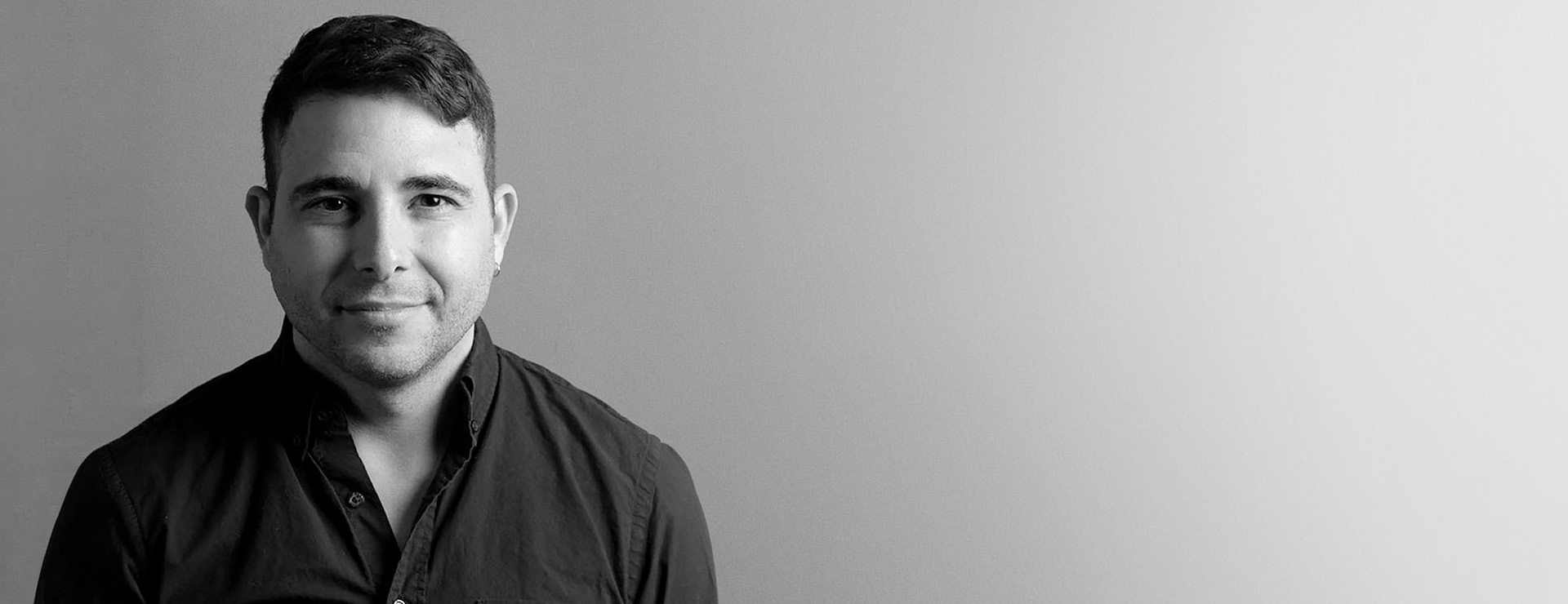
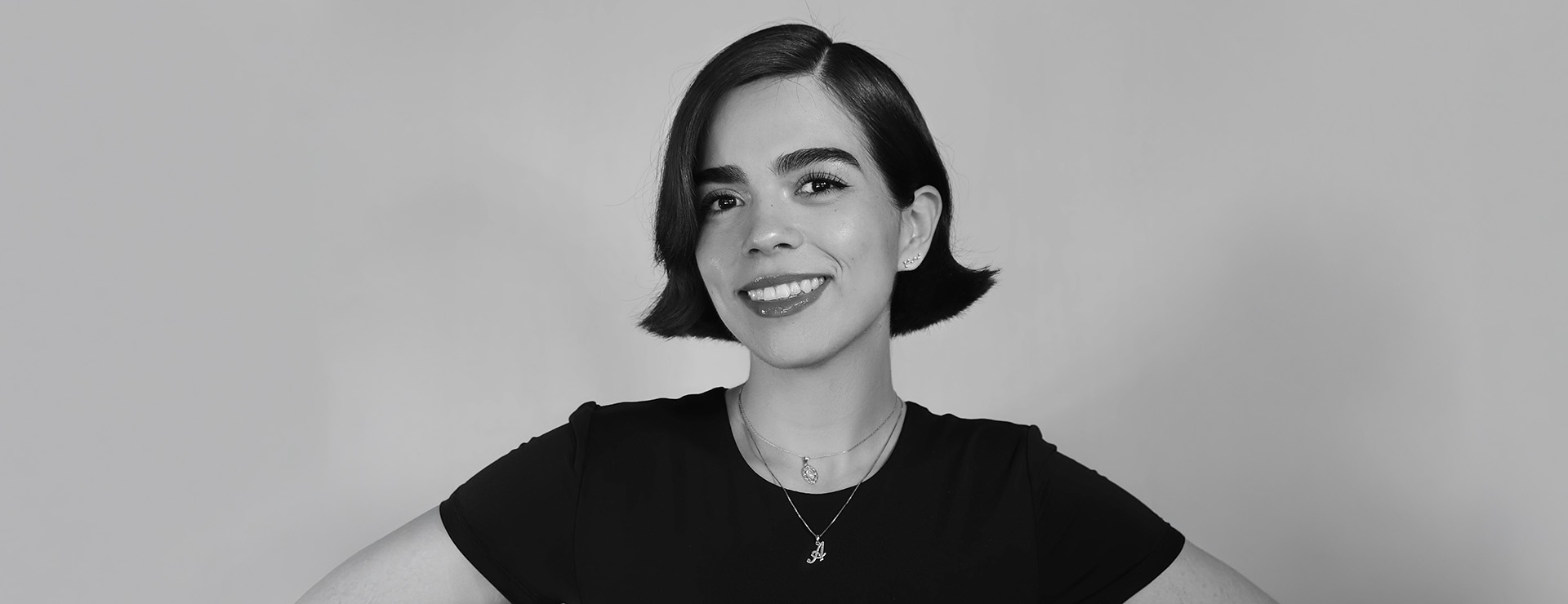
Looking at Aracely Muñoz’s art is like visiting an amusement park of creativity. Each piece bursts with vibrancy, while being precisely designed assemblies of shape and color.
In her young career, Muñoz already has created singular posters for such properties as Top Gun: Maverick, The Mandalorian, Encanto and Raya for the likes of Disney, Netflix, Marvel, Pixar, Lionsgate, LucasFilms, Warner Bros., 20th Century Studios and more.
In October, GEMA honored Muñoz with the Spotlight Vision in Design honor. Muñoz joined Spotlight to discuss how she approaches her work, how she developed her artistic style and process, and how her Mexican heritage influences the way she looks at the world.
Spotlight: How did you originally get into design?
Aracely Muñoz, illustrator and graphic designer: It’s something I didn’t know existed as a career. I started off doing graphic design but soon realized I was illustrating something for every project I worked on. I wanted to be the one who created the official imagery rather than using pre-existing material.
After I graduated from Cal State San Bernardino with a degree in graphic design and marketing, I pursued a masters in fine arts from Cal State Fullerton. It wasn’t until I was in the grad program that I really thought about what I wanted to do with my artwork. I knew I wanted to create some form of static imagery that could be admired but I didn’t know what that would be. During that time, I discovered the world of posters and saw something that matched what I was already doing. It all came together when I integrated my illustration into it.
Spotlight: Is drawing something that you had to learn or is something that you’ve always innately known how to do?
Muñoz: I’m not exaggerating when I say I draw something every single day (even if it’s just a messy sketch or doodle). It’s genuinely a part of my day. Growing up, my parents always bought me an endless amount of art supplies and that always encouraged me. I never saw this as a career, though. Being the first one in my family to graduate and go to college meant I had to figure a lot of things out on my own, like discovering you can actually pursue art as a career. It wasn’t until my senior year in high school that The Art Institute came and did a presentation – that’s where I was first introduced to graphic design as an option.
Spotlight: How did you move from creating in these very tactical media, like pen and pencil, into creating digitally? It has to be a very different creative process.
Muñoz: I work very differently when it comes to digital media. My brain will switch gears depending on how I’m creating. I prefer sketching with a blue pen and will avoid pencil at all cost. I really dislike how smudgy and soft pencil lead gets. Sketching with a pen is much more enjoyable and it has reinforced my drawing style.
Over time, I’ve gotten to know myself more as an artist. I’m always figuring it out as I go.
When I started graphic design in school, I was only working off of my laptop. At the time, that was enough to handle smaller jobs like logos (which required creating point by point on my trackpad). But as I became more curious about illustrating digitally, I realized it couldn’t keep up with me. I had seen drawing tablets in the past and was becoming more interested in buying one. I started off with a screenless tablet until I felt skilled enough to invest in a Wacom Cintiq, which is what I use now.
Follow along as Muñoz creates on her Instagram Stories
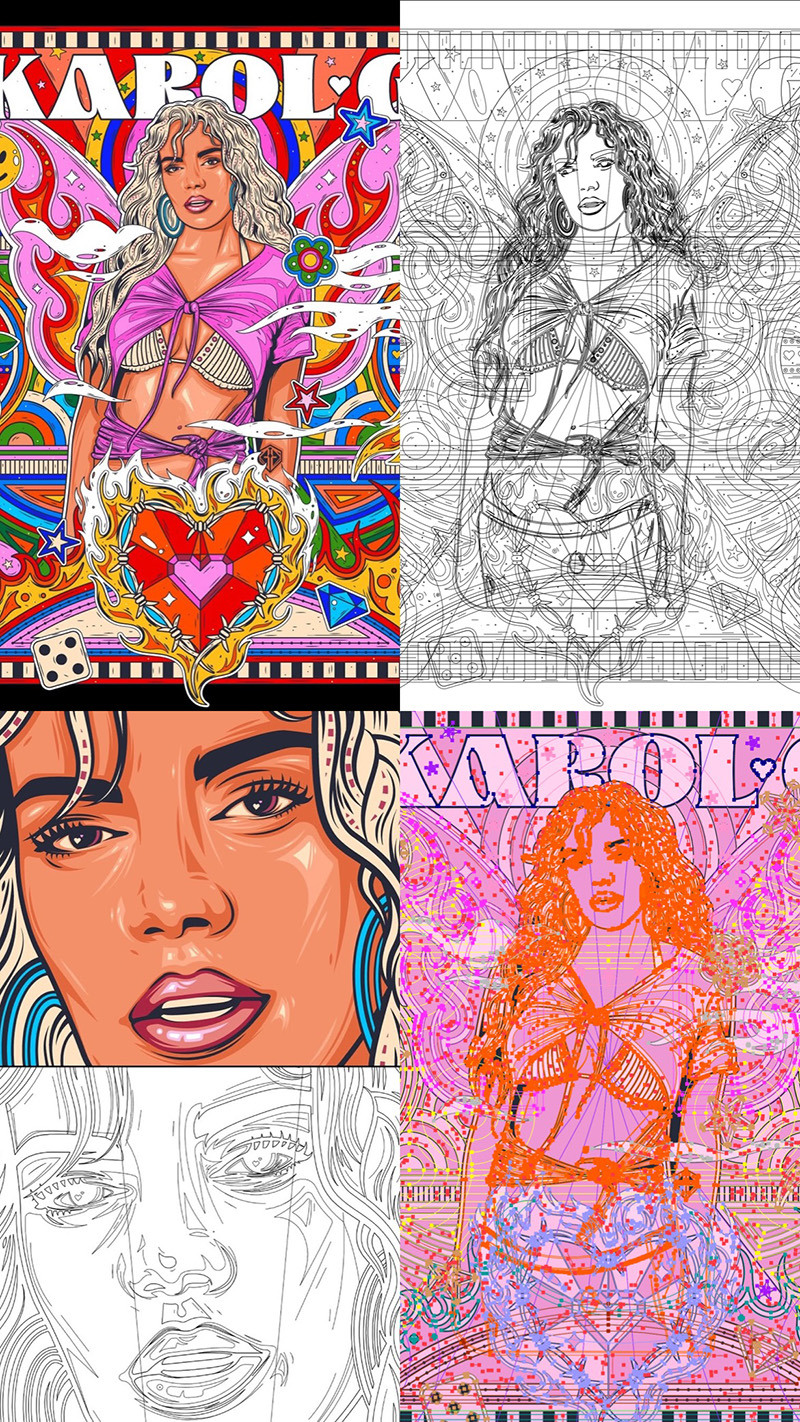
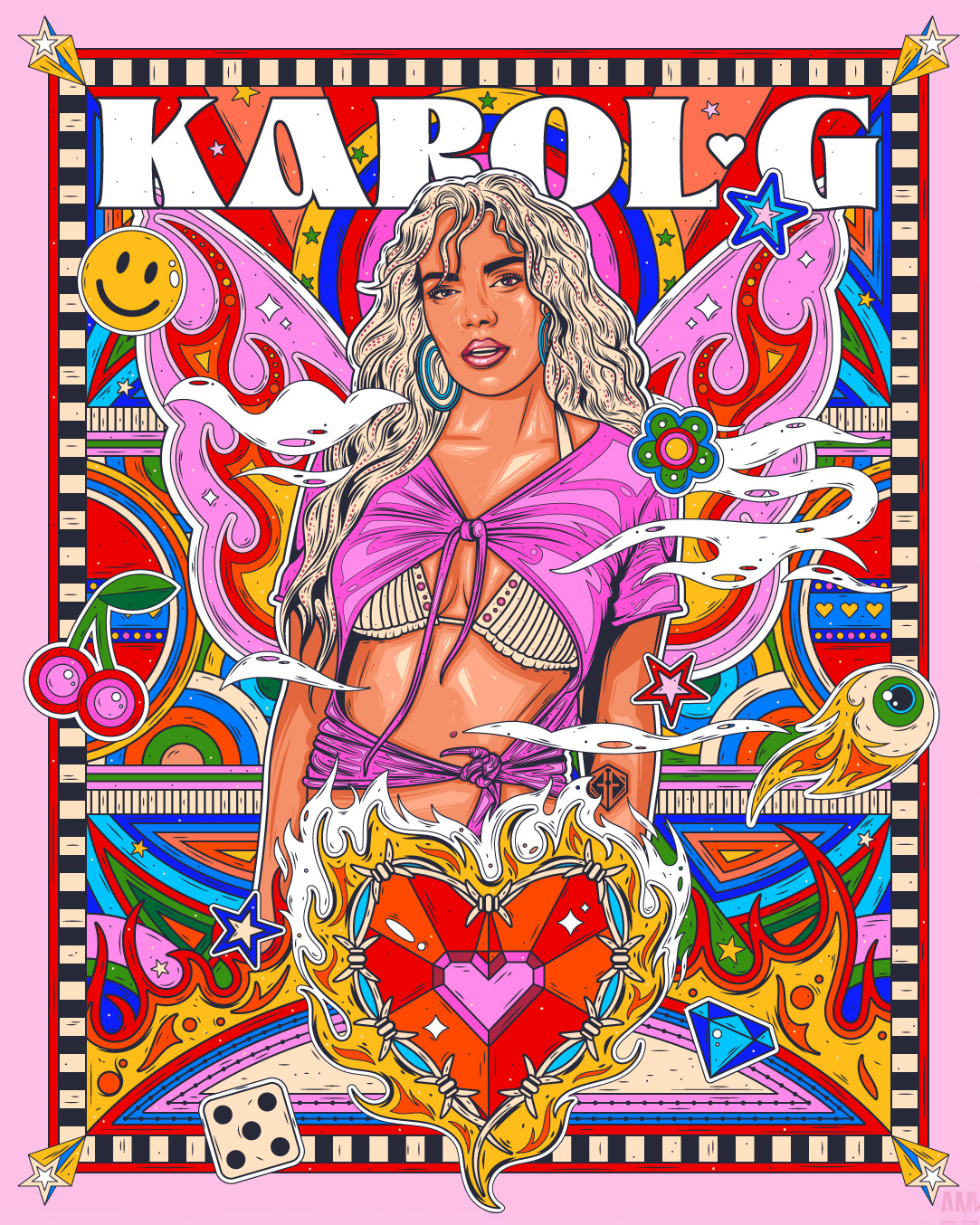
A lot of people only see the overall finished poster. But my work is very unique. If you zoom in, you’ll see there’s a lot of different shapes that are broken down into many pieces. I’ve yet to find a good way to showcase how it all comes together. It’s a process I’ve developed over time.
Spotlight: How did you get into designing movie and TV posters specifically?
Muñoz: I was taking design-related classes during my graduate program and working with different clients and agencies at the same time. I had also started sharing my personal artwork on social media, which was intended for my graduate show. My work started getting a good response and led to me discovering a variety of accounts on Instagram dedicated to poster work. It was all happening simultaneously.

I’m naturally a fan of the shows and movies for which I am creating art work. Pop culture has always been an inspiration for me and I am always thinking about how I can honor it with my artwork.
Spotlight: What is it like to work on posters for these major movies and see them online or in theaters?
Muñoz: I created two illustrations for Top Gun: Maverick, although one didn’t get used. It was really exciting to see my artwork on popcorn buckets and how everyone was sharing pictures of it. Those are the things that get me excited about the film itself. It’s a special feeling to create something and see how much someone else loves it.

Before I ever got into posters or was even pursuing an art career, I had gone to the movies with my mom. She turned to me and said, “one day I’m going to see your artwork here”, as she pointed to a lineup of movie posters that were playing in theaters. That was before I even knew you could do this kind of work. It just goes to show your mom really knows you. She would say things like, ‘I’m going to see your stuff on the billboards.’ I was always drawn to those things but at the time I didn’t know you could create them for a living.
Spotlight: How do clients find you?
Muñoz: The majority of my artwork is on Instagram and LinkedIn. Clients can really see how I go about creating and what the outcome will be. When I was working with multiple agencies, a lot of the work came through them. But sometimes clients will reach out to me directly. For example, Netflix shared with me that they had seen my work and felt like I’d be the right person for the job. It’s great to know that I don’t have to change my art style when potential clients reach out.

Spotlight: Your undergraduate degree was in graphic design and marketing. Do you ever get to use your marketing knowledge as you work with clients?
Muñoz: Some projects that come in have very strict requirements. I always create what the client is asking for but also try to find time to show them something different.
It’s important to know your client’s audience and yours as well. This way, you can see where they overlap. By understanding the marketing side of things, you can really gain insight into what your client is trying to accomplish with your artwork.
You have to think of the bigger picture. Ask yourself: why are they asking me for this in the first place? I’m very fortunate to be involved with my audience. It helps me understand what they’re excited about and what they want to see.
Most aren’t aware that I have a marketing degree – they assume I’m strictly an illustrator. However, when I start discussing a project with a client or am having a conversation with them, that background becomes apparent. First and foremost, I am an illustrator and that’s the role I enjoy the most. But I do take the time to let them know my perspective and what I think could be beneficial. It doesn’t hurt to chime in and I might have some insight on something they don’t. That allows us to work together in a way that benefits us both – it’s all collaborative.
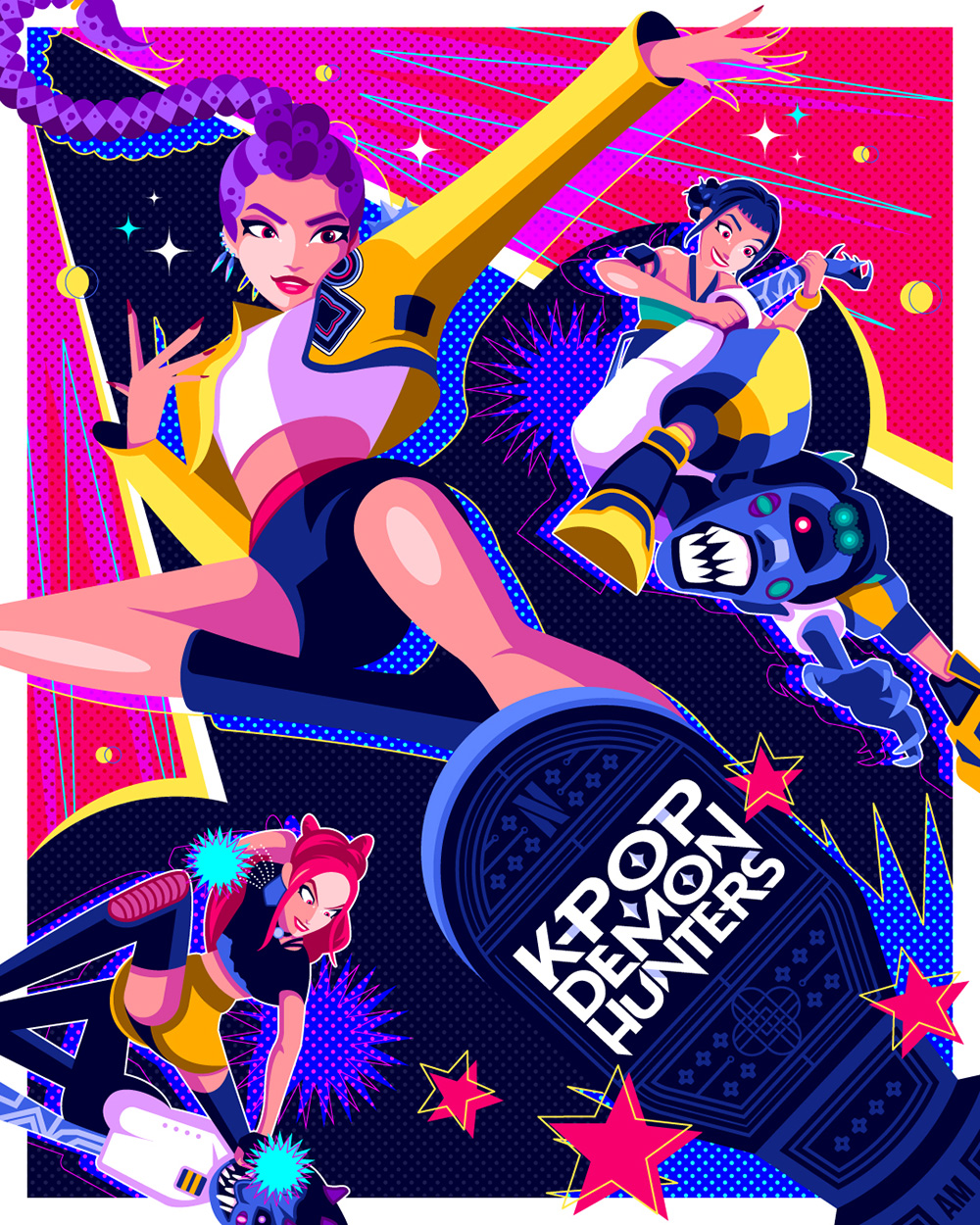
Spotlight: In looking at your work, it’s interesting to me how you are able to execute in so many different styles. Some of your pieces are very art deco, like the Los Angeles Central Library, while others are very graphic novel-influenced, like K-Pop Demon Hunters (above), which I understand was a personal project for you. How are you able to move so fluidly between styles?
Muñoz: The thing that ties my work together is my use of shape and color. Every project is its own thing. As an artist, I’m always trying to experiment, explore new ideas, and just have fun with it. It would be a disservice to my work if I played it safe.

Something that’s very consistent in my artwork is my choice of bright colors and geometric shapes. It’s part of my natural mark as an artist.
A lot of beginner artists get caught up in trying to find their art style. Your art style is simply how you naturally approach creating. It’s okay to experiment until it feels right to you, just don’t limit yourself.
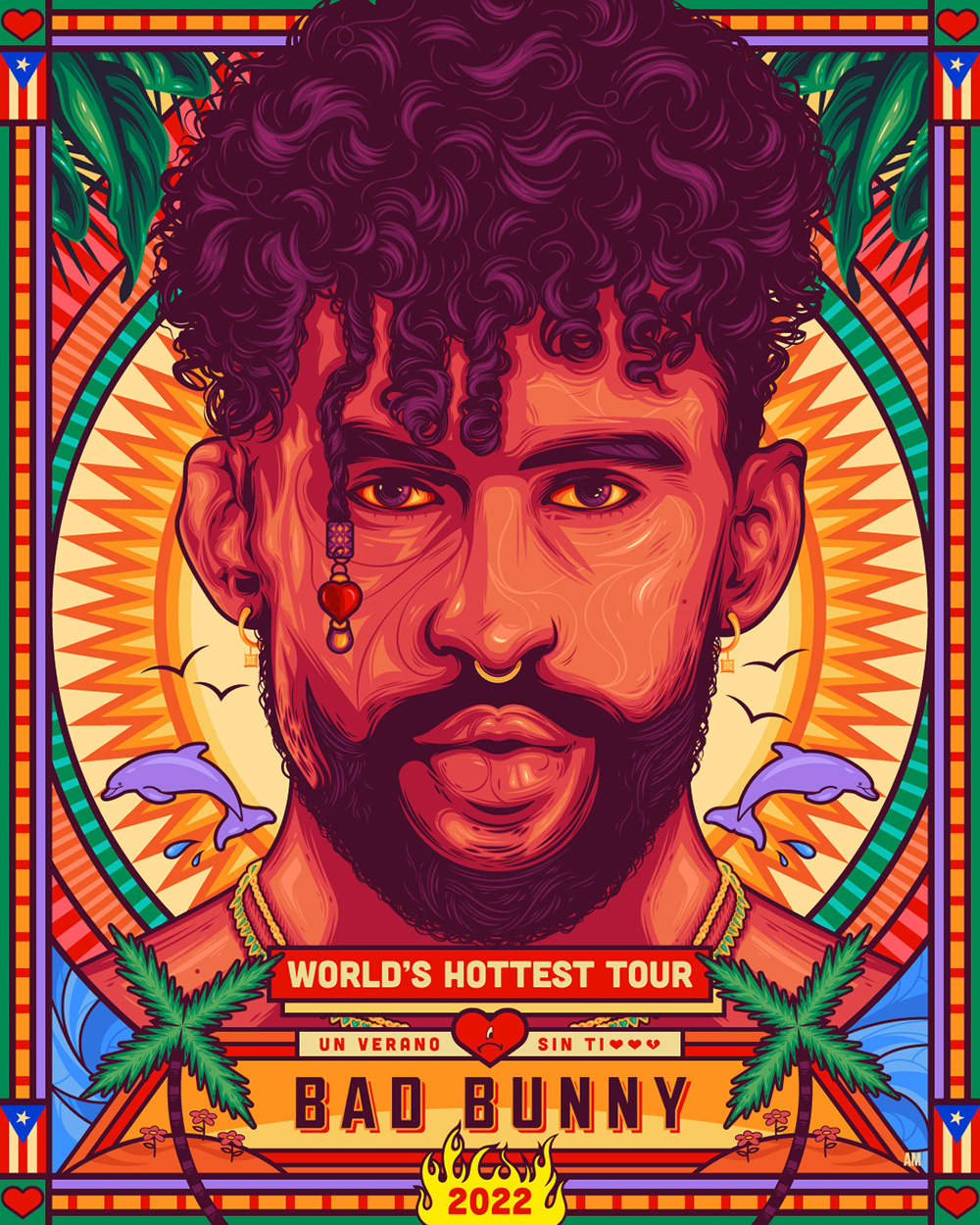
Spotlight: Your Latino heritage really shines through in your work – in the bold color palettes you choose and in some of the shapes and patterns. How do you think about integrating your heritage into your work?
Muñoz: I’m naturally drawn to bold/vibrant colors – they’re very important in my artwork.
I’m so proud to be Latina. Our culture exudes so much confidence, vibrancy and optimism. We have a creative spirit and naturally bring energy to all areas of our life. I don’t believe in being subtle in anything that I do. This applies to my artwork. I don’t tiptoe when it comes to this – the louder the color, the better. I always joke that I want my artwork to be so bright that it’ll burn your corneas.
Spotlight: You seem to always be very busy. How do you manage it? How do you pick and choose which work you want to do?
Muñoz: I’ve become more specific about the type of artwork I want to work on. I will willingly pass on jobs that I feel aren’t representative of me. I want to enjoy the work I’m creating. I’m always busy so it’s important for me to feel like I’m giving it my all to every project. I want to give it the level of love and care it deserves. I used to say yes to every project that came along. This resulted in sleepless nights and unhealthy work habits. It all became too heavy and I had to change my approach. I realized that in the long run if I want to continue doing this, I would have to say no to some projects.
A lot of artists feel lucky to work with certain brands and companies. But they often forget that those same companies are also lucky to work with them. It’s a collaborative process that honors both sides. This mindset allows you to effectively work with clients who respect and understand your creative energy.
Spotlight: You were awarded the GEMA Spotlight Award for Vision in Design in October. What did that mean to you?
Muñoz Receiving this award was truly an honor. Just being in a room with so many creatives was great. You’re surrounded by people who understand the behind-the-scenes process. They’ve endured the long hours of revisions it takes to get something to the finish line. Knowing everyone there is appreciative towards each other in the industry is special. It was truly a night to remember.