
Public relations used to be solely about coverage. A press release, a junket, a few glossy interviews, and the job was done.
Now, it’s about culture. Not what gets written, but what gets posted, shared, remixed, and argued over. In today’s social-first world, fandom isn’t a byproduct of good PR — it is the strategy.
“Everyone is an influencer” isn’t just a cliché; it’s an operational reality. Every fan with a phone is a potential distribution channel. This raises an uncomfortable question for PR teams: if you host an event and no one posts about it… did it even happen?
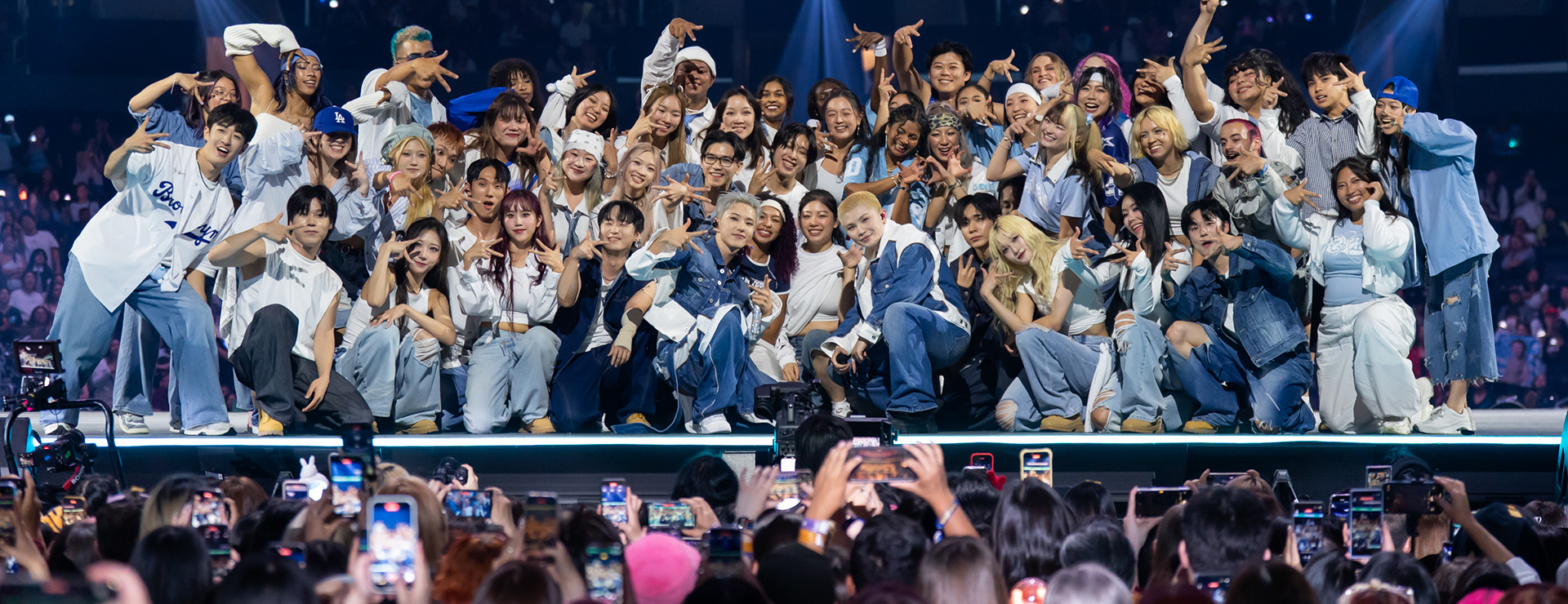
That tension is playing out across entertainment marketing right now. At invite-only screenings and fan-first events, the subtext is no longer subtle: these moments are built to travel online. PR teams quietly measure success by what gets filmed, posted, and reshared. Budgets increasingly follow social proof. Buzz isn’t a side effect — it’s the goal.
Not every fan-focused activation lands. Big, flashy events can fizzle if they aren’t designed for shareability or meaningful engagement. The takeaway isn’t that experiences fail — it’s that experiences without a clear social or emotional hook rarely catch on. Modern PR has shifted from simply controlling the message to crafting moments people actually want to be part of.
The new rule: Design for memory, not visibility
Immersive fan experiences — pop-ups, interactive installations, surprise screenings, live stunts — only work when they’re engineered backwards from sharing behavior. The goal isn’t just to impress the room. It’s to create something so specific, emotional, or strange that people feel socially compelled to document it.
The psychology matters here. When people participate, rather than observe, their emotional investment increases. Clicking a button, stepping on a set, unlocking a secret room, being “let in” on something — these actions trigger ownership. And ownership turns fans into advocates.
This is the core of social-first fandom culture: participation over consumption. Fans don’t want to be targeted. They want to be included.
The fan space today isn’t just about fawning over how hot the leading actors are - it’s community-led, with accounts focused purely on updating other fans on a project’s development schedule, providing sneak peeks to followers, and creating free content for other users to enjoy.
How to design a campaign that fans actually talk about
The most successful experiential PR campaigns tend to follow a quiet formula:
1. Start with the fan identity, not the brand.
Ask how fans see themselves. Insiders? Rebels? Nostalgic adults? First-timers? Experiences should let them perform that identity on camera.
Every fanbase is different, even within the same genre. Fans of a bubble gum and sweet K-pop girl group are going to respond to certain things differently than fans of a slasher horror pic, or the true crime podcast obsessed; tailoring is key!
One shouldn’t assume that projects have a fanbase that directly correlates with the content's brand. For example, 2024’s Conclave had its most active fanbase on X — Pope Crave. It isn’t made up of Catholic moviegoers, one would expect; instead, the account was founded by a Chinese-Buddhist named Susan. Pope Crave, which started as a space for the film, has quickly become a pop-culture-style account on Catholicism.
TL;DR: Do your research on who the most active members of the fan base are, don’t just assume based on the content of the project.
2. Build shareable, “camera-native” moments.
Not “this looks good in person,” but “this looks like something I must film.” Lighting, angles, mirrors, movement, reveals — these decisions should be driven by how they’ll look in a vertical video.
3. Introduce controlled exclusivity.
Early access, secret locations, limited runs, special invitations. Scarcity creates urgency, and urgency fuels posting.
4. Make sharing feel like currency, not an obligation.
The best experiences make people want to share because it enhances their social capital, not because they were told to.
5. Design for secondhand magic.
Most people won’t attend. The campaign must still be entertaining for those watching at home.
When it works, it stops being “PR”
The best fan-first campaigns don’t feel like marketing at all. They feel like moments in culture.
Suddenly, a screening isn’t just a screening — it’s a gathering point. A pop-up isn’t an ad — it’s a pilgrimage site. An interactive experience isn’t content — it’s community infrastructure.
This is what we mean when we say “Beyond the Press Release.” PR isn’t only about what you say. It’s about what you let people do.
Fandom has become social, performative, participatory, and fast-moving. Campaigns that treat fans as passive recipients feel instantly outdated. Campaigns that turn fans into co-creators create something far more valuable than coverage: they create momentum.
Because in the current PR ecosystem, attention isn’t bought — it’s built, moment by moment, post by post, fan by fan.
Jenny Tuell and Jasmine Nguyen are part of The Lippin Group, an agency specializing in communications for entertainment and media companies, creators and content.