
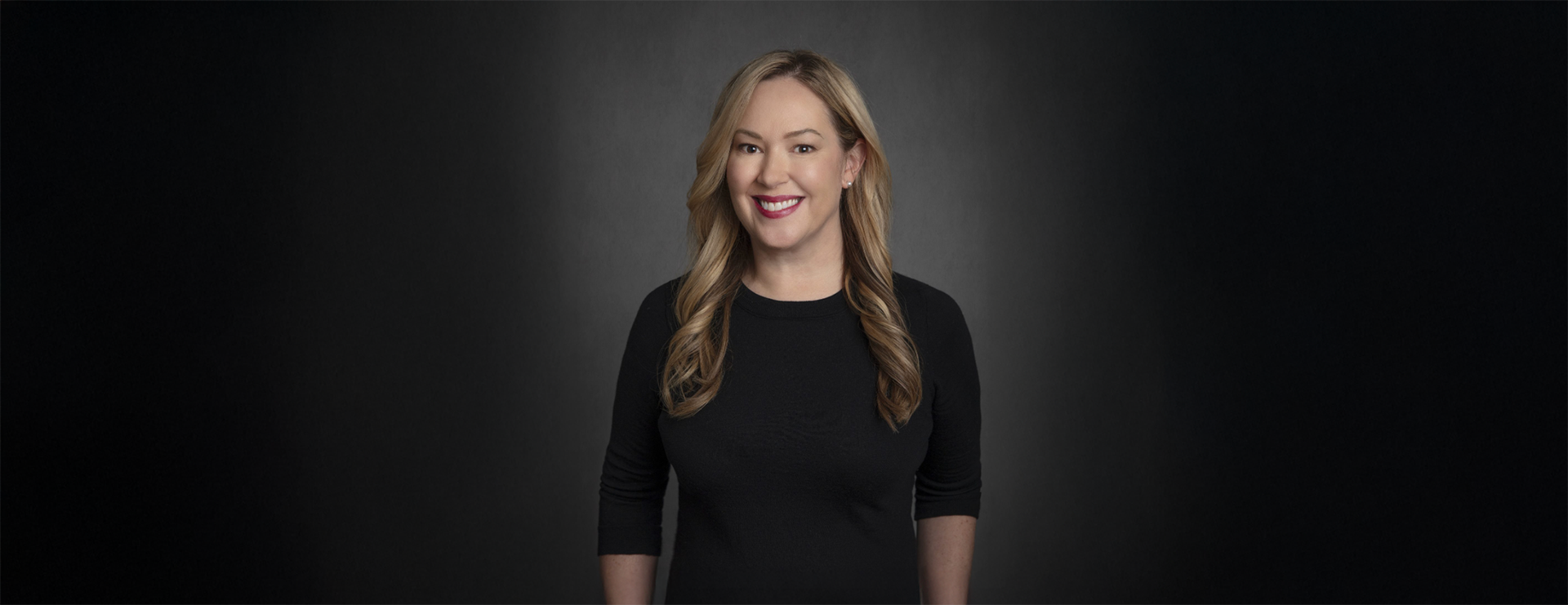
Vikki Neil has worked at Scripps, Discovery Networks, Warner Bros. and finally HBO Max, all as a result of a series of mergers and acquisitions. She started in cable with Scripps and its various lifestyle networks, moved over to digital and streaming, and eventually took on premium streaming at HBO Max.
Now she heads marketing at Regal Cinemas, where she’s taking everything she learned from cable, digital and streaming, and applying it to in-person audiences. One thing she’s found is that Gen Alpha and Gen Z are learning that they too love going to the movies!
Neil joined Spotlight to discuss all the nuances of in-theater marketing that you, as a moviegoer, have likely enjoyed but probably never thought much about. An edited transcript follows.
Spotlight: After years working in cable, digital and streaming, how are you applying that experience to what you’re doing at Regal?
Vikki Neil, head of marketing, Regal Cinemas: A lot of what we're doing is thinking about how to bring consumers in. That starts with us working with the studios. Since I used to work at Warner Bros., I am used to talking through how we build large audiences, how we encourage people to come in, how we bring a fandom to a specific movie. Those unique opportunities are built into what I've done for many years. What's a little bit different here is how we think about driving people to physical spaces. The commonality between streaming and theatrical is bringing consumers in that want to watch content, whether it's in their living room or whether it’s at a theater. The uniqueness is how we encourage them to do that in a physical space.
Spotlight: In the case of movie theaters, people have to be motivated to get up and leave the house.
Neil: And before they had to be motivated to pay for streaming. They had to decide if they were going to pay for an additional streaming service to often get that key content they wanted.
There are so many movies that people really want to have that shared experience around. They want to experience it with somebody else, whether that's friends, or even just to hear a stranger laugh. We know that common experience is a key element. Community is a missing element for streaming.
Spotlight: Streaming tends to rely on performance marketing. Is there a way to apply that analytic structure to the theatrical experience and do loyalty programs feed into that?
Neil: All of those same elements are similar in all my marketing roles.The key difference is how we at Regal spend our performance marketing dollars and what we’re having those dollars do. Sometimes we are marketing our free loyalty program – or our subscription program – and we're motivating people to sign up for them. That's very similar to streaming, because that is also a subscription service. At the same time we are marketing our theaters or tickets on sale, we're making sure people know about our loyalty programs and using that as a sign-up moment.
We renovated about 25 theaters last year, adding new recliners and new projectors. And we did larger remodels in some theaters, like at LA Live in downtown LA and at the Regal Sherman Oaks Galleria.
These were often great locations, but they were missing popular amenities or older designs. We have spent a lot of money renovating them and we're marketing that not only with ourselves, but with our premium format partners, such as IMAX, 4DX and ScreenX. We're making sure people know we're playing Zootopia 2, for example, but also that this is a renovated theater, and it will be a great experience in whatever format they choose. People love to go to a theater that feels fresh and new, and that absolutely impacts our attendance numbers once word of mouth and marketing get the story out. So we do targeted performance marketing to support those efforts, and that's a key part of the team that I run.
Spotlight: Can you dive a little bit more into how you apply the information that you get from your performance marketing to help you tweak your marketing efforts?
Neil: First of all, we make sure that our campaigns are driving attendance and that they're really working for new audiences. We'll often do the analysis to discover what type of people are coming in. How many concessions are they buying on average? What is our marketing investment driving? And then we're learning what makes them click and what makes them actually buy a ticket or book something in advance, and we're learning who is taking advantage of mobile concessions, which we just rolled out in 100 theaters.
The goal for us is getting them to join our Regal Crown Club program so we can market to them. Brand-new customers are super important to us, because perhaps until we renovated this specific theater, they weren't coming. They were going to a competitive theater. In that sense, we're really targeting them because these new customers are incremental to our overall program.
We look at everything from what type of creative do they click on to what color are the links. All of the things that I've done everywhere in terms of what creative really resonates are still being applied here. It's just through a different lens of what is the financial payoff and what is the metric.
Spotlight: Monday, January 19, was National Popcorn Day and I saw promotions offering free popcorn. Monday isn’t typically a big movie-going day so that seemed like a good idea to me. Do you find that promotions around concessions drive people into the movies?
Neil: Yes, especially when people have fandom around a specific movie. We will often do an inspired cocktail or an inspired special drink. We uniquely have Pepsi Drips and I do think things like this are a motivator for young people to try a themed ‘dirty soda.’ People may buy tickets for a specific theater because it has that food or drink that they like. And, of course, people love popcorn. It's part of the unique movie experience. If you’ve seen the collectibles and the popcorn buckets for big movies, those are a real draw for people, especially if we have something that’s exclusive.
Spotlight: Do you find that having these things can make the movie theater the draw versus the movie being the draw? And if the movie itself is the draw, can having all of these extras bring in more audience?
Neil: We see this in our data, but I also see it in my own habits. It depends on what mode I'm in. If I want to go see a very specific movie, like Mercy is coming out soon, I'm going to seek that out on opening weekend. I'm probably going to see it at my favorite theater. Now, if a new theater or a renovated theater is open, I'm going to go check it out, and if it's better than the one that I normally go to, I might change theaters and that might become my better theater. I consider everything from how clean it is to how good their popcorn is. I'm not going to drive 30 miles out of the way, but I will definitely drive an additional five miles or an extra few minutes to go to a theater that I really like.
We’re starting to see a lot more young people come into our theaters and they are driven by almost an event moment. The younger demo really likes the community experience, just like all of us in older generations always have but it’s fresh for them. They are just coming to it later because of COVID and the evolution of home theaters.
I saw a stat talking about premium experiences and community that said 59% of Gen Alpha is really looking for those premium experiences. We already know they love shared experiences, so they're really into the 4DX or the big screen, and they're there for that full experience.
They want to put M&M’s in their popcorn. They want to throw popcorn at the screen at the Minecraft movie. They're there for Taylor Swift with their glow sticks. The movies are something special for them.
Spotlight: I have to admit that I don’t pay very much attention to the brand of the movie theater I am going to. How important is it for you to define that brand for consumers and how do you do that?
Neil: I think obviously location matters and so does convenience. I don't want to pretend like those are not driving factors, but in many of our markets, we have competitive theaters very close to each other, and I think those brand differentiators do matter. We are very focused on making sure that our experience is better, whether that's about cleanliness or the friendliness of our staff. I also think our loyalty program is a key element of creating that habit. If you're earning rewards with us, you can go see a certain amount of movies without spending more money. You can use your credits on popcorn. And if that becomes your favorite theater, it's much harder to woo you somewhere else.
Spotlight: You mentioned that Regal renovated 25 theaters in 2025 and you have plans to do more in 2026. What are you focusing on when you’re doing these renovations and how are you seeing these things impact attendance?
Neil: First and foremost is making sure that we have the best recliners and the best screen experiences.
Spotlight: Recliners are a big deal. I will 100% go to a theater because of the recliners.
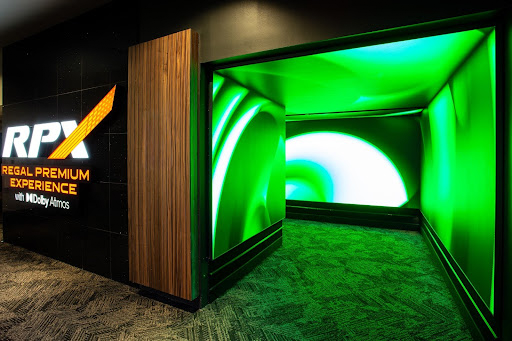
Neil: I think it's huge, and I think it's about comfort. It's also making sure we have those premium formats for people. Do we have IMAX? Do we have RPX [Regal Premium Experience]? Are we adding the motion seats, the 4DX? Those types of experiences are so important, so we're definitely thinking about those more every day.
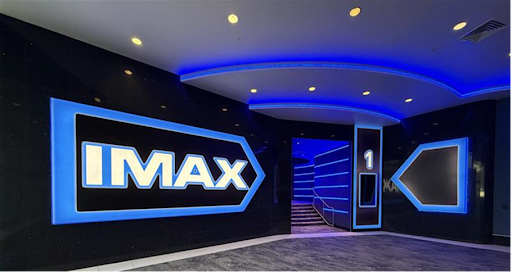
We've also added what I call a portal. These are lit-up LED entrances for some of our bigger auditoriums and for IMAX. You walk through those and it feels special. If you're leaving your home and you're going to pay to watch a movie, you want to experience something that's memorable.
Our whole focus is on what we are doing to give people those additional things that they're looking for. We're updating the lobbies. We're offering new menu boards and new food and constantly testing to make sure our food is the best in the market. We are definitely seeing all of that pay off. We have seen substantial market share gains in those markets, almost universally, from making improvements, and that's why we're doing it again next year. We anticipate another 15-20 remodels in 2026, including RPX (Regal Premium Experience).
Spotlight: You also have lounges and bars in some theaters. Do you find audiences take advantage of those?
Neil: We have full-service bars in many of our locations, so you can come and sit down and have a cocktail ahead of time. Many of those are themed to go with the movie you're there for, so that you can get into the full spirit of it. We're also rolling out some new popcorn additives, where there are different things you can add to the popcorn, and sometimes those will be themed to a specific movie. We also have mobile ordering that we're rolling out across some 100 theaters recently and that’s expanding.
All of those things are in place to try to make sure that the experience is seamless for people. I think that has a huge impact on how much people spend when they're with us and how often they come back.
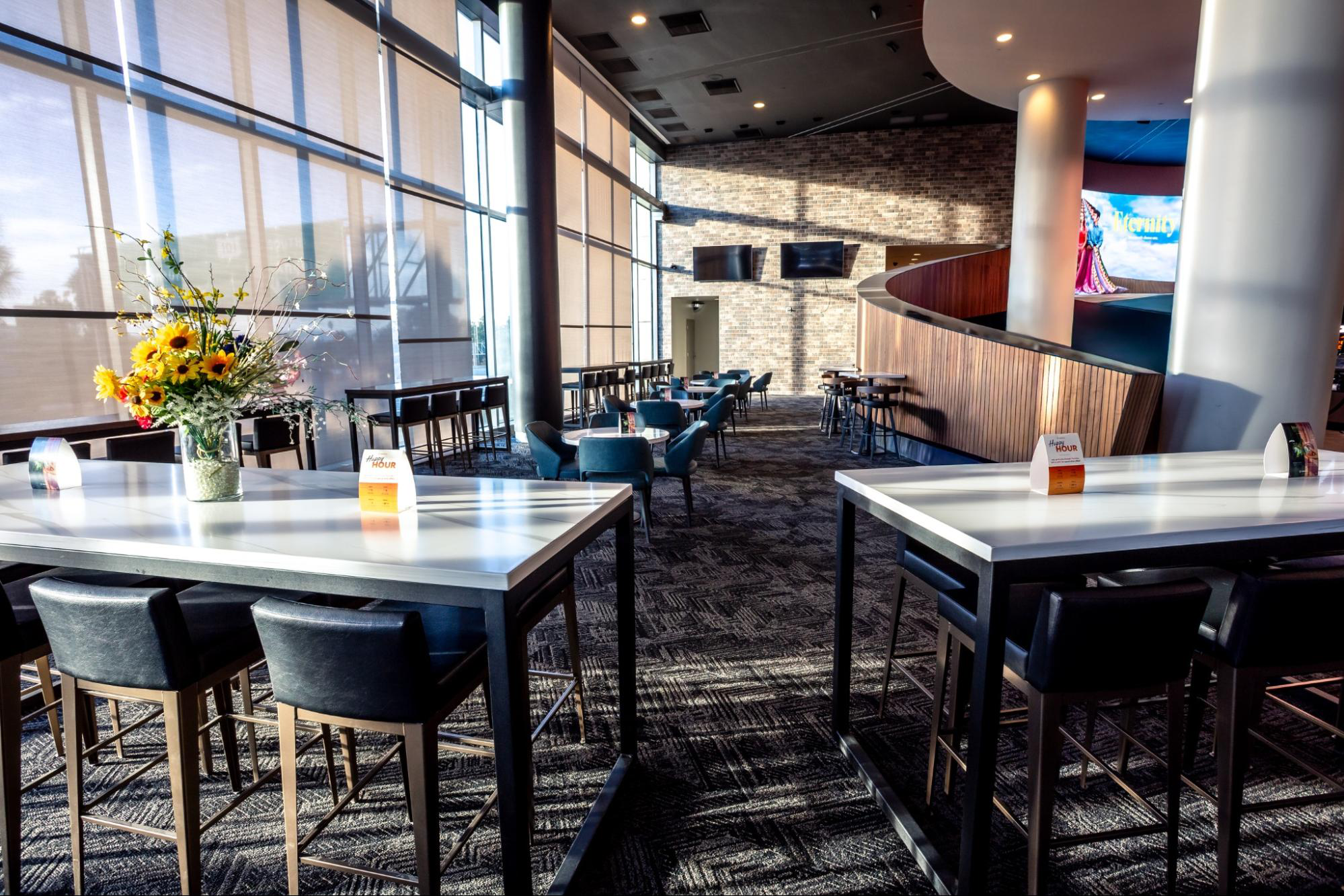
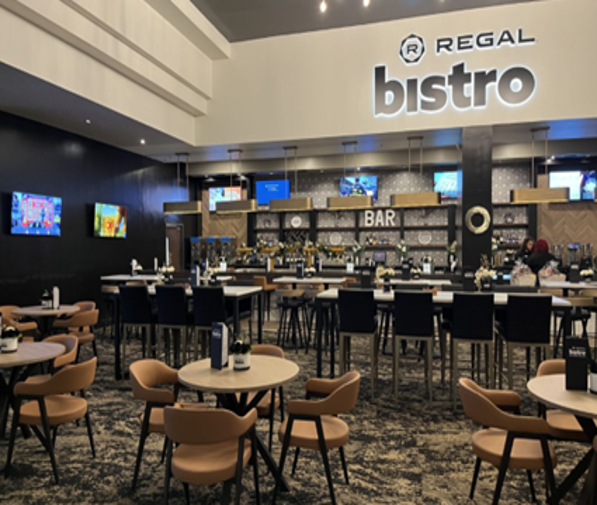
Spotlight: Is it common for you guys to have lounges and restaurants in your theaters or is that only in some of your theaters?
Neil: We do have quite a number and we have just rolled out a couple of what we call our Regal Bistro where they will serve you food at your recliner. Others have bar or lounge areas.
We have a little more than 407 theatres and about 80 of those have a bar and about 100 of those have a lounge or gathering area.
Spotlight: Once you get inside the theater, as you’ve said, people are finding that these premium formats really bring people in. How do you take advantage of that in marketing a movie?
Neil: Those are highly sought after, and those are some of our most amazing auditoriums. Those premium formats really kind of sell themselves and audiences that are really seeking out, for example, the 70 mm version of a Christopher Nolan movie, those audiences will just come to you because they are very clear about what they are looking for.
As I was saying earlier, young people really want those premium experiences. We are definitely seeing that people are willing to pay for those, whether it’s an IMAX , an RPX or a fun 4DX experience. Another thing we see is people really loving a specific movie, like Wicked, and they are seeing it over and over again in different formats because they want to experience it in different ways.
Spotlight: Avatar: Fire and Ash has grossed $1.32 billion at the global box office so far. That’s the perfect movie to see in a premium format. Do you think that encourages more movies to be produced in ways that drive people to see them in IMAX or RDX or 4DX, like Christopher Nolan’s The Odyssey, which is coming out in July? Do you think that discourages studios from producing smaller, independent movies that don’t encourage viewing in premium formats?
Neil: I think those are amazing movies, and they are made for that immersive big screen, and they're just unbelievable. I can't imagine watching Avatar at home for the first time. Everything about the in-theater experience for that movie is just so superior.
Avatar was a huge win, and everyone knew it would be. Is it hard for a new movie or new IP to have that same breakout success? Yes. But I think the best chance for that to happen is in this amazing theater experience. If you think about Marvel or Avatar – those big movies – part of why they're so successful is also because of the fandom that has been created off of that movie experience.
Spotlight: Something that just happened that I thought was really interesting, and is probably a model that we might see more of going forward, was Netflix doing the theatrical release for the Stranger Things finale. In my area, it sold out. I thought that was a really good use of the theatrical experience. Do you think that we'll see more swings like that?
Neil: I think there's a huge opportunity to eventize really popular moments. And there's no place better to do that than with properties like Stranger Things or KPop Demon Hunters because people wanted to experience those properties together. I think it’s important for people to share moments like the Stranger Things finale with other people who also loved the series.
It's important to protect the theatrical window in order for the best films to be launched in the best way. I think it can be done but everyone has to work toward that common goal.
Spotlight: I’ve also seen theaters do things like release remastered concert films or many theaters are showing the extended versions of Lord of the Rings for the trilogy’s 25th anniversary. I think it’s a great way to use theaters, showing properties that aren’t necessarily new releases.
Neil: In September, we started something called the “Month of Masterpieces,” where we really went back and looked at some of the best movies of all time. In October, we did “31 Screams on Screen.” We brought classic movies back for the holidays in November and December. This month, we’re going back to the origin of movies. And for February, we're doing romances with a programming event called “XO, XO. Regal,” and each week has its own theme, like “Healing and Heartbreak” in week three.
All of these efforts are bringing people back to the movies. These events are offered at a lower cost, they’re there for the full month and they are built around a theme so people can really get into it. We’ve had great success with this.
Another thing I find Regal does well is that while we’re a chain and a national brand, we also work closely with our local theaters to have an owner’s mindset. They’re empowered to try things that are unique for their areas. We see so many ideas from them and I’m always fascinated by what they come up with. We then share those ideas with the other regions to make sure everyone is thinking about how to lean into their community in a unique way.
While of course we love having an amazing box office weekend for a major new film, we also want people to come during the week. We want them to think about movies as a community, as a place for them to go to be together.